

Industrial Property Loan Denver are specialized financing options crucial for commercial real estate development, offering flexible terms and structured disbursements to mitigate risks. Key factors include competitive rates, borrower financial health assessment, detailed project proposals, and market demand analysis. Lenders specializing in industrial finance provide expertise to navigate construction risks and fluctuations. Borrowers should strategically seek partners with strong local track records, requesting detailed cost breakdowns and exploring loan structures for favorable terms. Meticulous risk management, regular communication, and flexible amortization ensure successful industrial property loan projects in Denver's dynamic market.
In the dynamic landscape of construction and development, securing funding is a cornerstone for bringing visions to life, especially when it comes to industrial property projects in Denver. The intricate process of construction loans demands meticulous navigation through various financial instruments, regulatory frameworks, and market fluctuations. This article delves into the heart of this matter, offering an authoritative guide to understanding and managing construction and development loans. We explore the challenges, dispel complexities, and equip readers with insights crucial for successful endeavors in the Denver industrial property loan market.
- Understanding Construction Loans: Basics and Benefits
- Types of Development Financing Options Explained
- Industrial Property Loan Denver: Finding the Right Lender
- Evaluating Your Project's Feasibility for Loan Approval
- Key Factors in Securing a Construction Loan
- Managing Risk, Defaults, and Repayment Strategies
Understanding Construction Loans: Basics and Benefits

Construction loans play a pivotal role in bringing architectural blueprints to life, especially when it comes to financing major projects such as industrial property development in Denver. These specialized financial tools are designed to cover the costs associated with construction, offering developers and entrepreneurs the capital needed to initiate and complete their projects. The primary advantage lies in their flexibility; unlike traditional mortgages, construction loans are structured to provide funding for a defined construction period, making them ideal for temporary financing requirements.
Industrial property loan Denver applications typically involve a detailed proposal outlining project scope, budget, and timeline. Lenders assess this plan, considering factors like market demand, property location, and the borrower’s financial health. Upon approval, funds are disbursed in stages as milestones are reached—a process known as draw scheduling. This method ensures that funding aligns with actual construction progress, minimizing risks for both parties. For instance, a recent study by the National Association of Real Estate Investment Trusts (NAREIT) revealed that structured construction financing contributed to successful completion rates of over 90% for industrial property projects across the U.S., including Denver’s burgeoning warehouse and distribution sector.
One significant benefit is the ability to access substantial funding without requiring a large down payment, which can be particularly advantageous for smaller developers or startups. This approach encourages innovation and diversity in the construction industry, allowing even ambitious yet capital-constrained projects to gain traction. When considering industrial property loans Denver lenders offer, borrowers should focus on competitive interest rates, flexible terms, and transparent reporting requirements to ensure a beneficial partnership throughout the construction journey.
Types of Development Financing Options Explained

In the dynamic landscape of construction and development, financing options play a pivotal role in bringing ambitious projects to life. Among various choices, understanding industrial property loans Denver offers is essential for developers and investors seeking to maximize returns. These specialized loans cater to the unique needs of commercial real estate projects, including industrial properties, by providing tailored financial support throughout their lifecycle. Whether it’s a new construction venture or an acquisition and renovation project, the right financing strategy can significantly impact success rates.
Industrial property loans Denver typically fall into several categories, each designed to address distinct project stages and requirements. For instance, pre-construction financing is crucial for initial planning and design phases, offering developers the capital to secure sites, hire architects, and obtain permits. These short-term, flexible loans often come with lower interest rates, allowing borrowers to pay back funds as the project gains momentum. As construction progresses, long-term construction loans step in to fund material acquisition, labor, and on-site management. Lenders assess ongoing project milestones to disburse funds, ensuring responsible borrowing and efficient project progression.
Beyond these stages, permanent financing options become pertinent, especially for mature industrial properties. Traditional commercial mortgages offer stable, long-term funding for owners looking to secure their investments. In the Denver market, where industrial real estate has experienced steady growth, lenders provide customized solutions based on property value, location, and tenant occupancy. For example, a 2022 report by the Federal Reserve Bank of Kansas City highlighted that commercial mortgages in Colorado, including industrial properties, saw a 15% increase in originations compared to the previous year, underscoring the thriving demand for these financing options. Developers and investors should leverage their expertise and network to identify lenders offering competitive rates and flexible terms, ensuring their projects remain viable and profitable in the ever-evolving Denver market.
Industrial Property Loan Denver: Finding the Right Lender

The industrial property loan Denver market is a robust and dynamic sector, presenting unique opportunities for both developers and lenders. When navigating this landscape, securing the right financing partner is paramount for successful project completion. With stringent regulations and diverse lending options, choosing the ideal lender for an industrial property loan in Denver requires meticulous consideration.
Lenders specializing in industrial real estate finance bring expertise tailored to the sector’s nuances. They understand the complexities of large-scale construction projects, including potential risks and market fluctuations that can impact property values. For instance, a reputable Denver-based lender might offer flexible terms and specialized knowledge for projects involving advanced manufacturing facilities or logistics centers, which often demand unique financing structures. Accessing such expertise ensures borrowers receive tailored solutions aligned with their specific needs.
When evaluating lenders, borrowers should consider factors like interest rates, loan-to-value ratios, and repayment periods. Additionally, examining the lender’s track record in the Denver market is essential. Data from industry reports can highlight successful project completions and satisfied clients, providing valuable insights into the lender’s capabilities. For instance, a lender with a proven history of funding major industrial developments across various submarkets in Denver can demonstrate their understanding of local trends and economic drivers.
Actionable advice for borrowers seeking an industrial property loan in Denver includes requesting detailed cost breakdowns, exploring alternative financing structures, and negotiating favorable terms. Engaging with multiple lenders allows comparative analysis, ensuring the best possible conditions. Ultimately, selecting a lender should be based on a combination of financial acumen, market insight, and a commitment to long-term partnerships, fostering successful collaborations that drive the Denver industrial property landscape forward.
Evaluating Your Project's Feasibility for Loan Approval

When seeking a construction or development loan, evaluating your project’s feasibility is a critical step before approaching lenders. This process involves assessing the viability of your venture based on various factors such as market demand, financial projections, and the unique characteristics of the property itself—especially in competitive markets like Denver, renowned for its robust industrial property loan landscape. Lenders carefully scrutinize these aspects to ensure the project’s success and their investment security.
For instance, a prospective developer planning a large-scale industrial complex in Denver must consider market trends. Data indicating strong demand for warehouse and distribution spaces, coupled with positive rental rates and low vacancy rates, could bolster the project’s feasibility. Financial projections should also demonstrate the loan repayment capability, factoring in potential fluctuations in revenue streams. Lenders may require detailed business plans and financial models to validate these assumptions.
In addition to market and financial analysis, lenders will assess the property’s physical attributes. In Denver, where industrial property loans are prevalent, factors like accessibility, proximity to transportation hubs, and the condition of existing infrastructure can significantly impact a project’s appeal. A well-maintained, modern facility with flexible design options may command higher loan values and more favorable terms. Developers should thoroughly document the property’s potential, including any planned renovations or upgrades, to satisfy lender requirements for such high-value industrial property loans in Denver.
Key Factors in Securing a Construction Loan
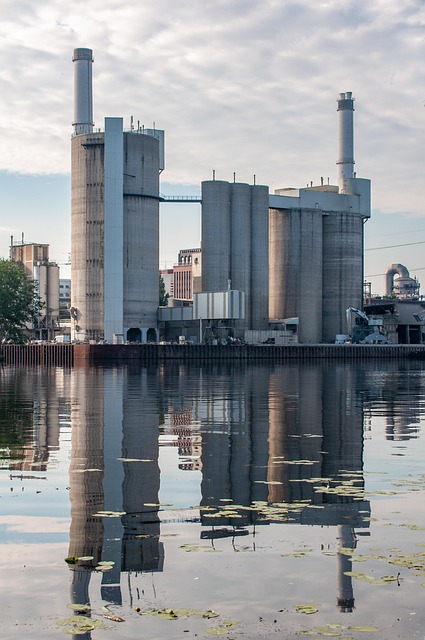
Securing a construction loan for industrial property development in Denver or any other region requires a strategic approach, considering various factors that can impact approval and terms. Lenders assess projects based on a comprehensive review of financial health, project feasibility, and collateral. One key aspect is the borrower’s creditworthiness; a strong credit history demonstrates repayment capacity, enhancing loan prospects. For industrial property loans in Denver, lenders often scrutinize cash flow projections, ensuring potential returns align with investment risk. Demonstrating a solid understanding of market trends and competitive analysis can bolster an application, especially when presenting a well-defined development plan.
The project’s scope and details play a pivotal role. Lenders prefer clear, detailed proposals outlining construction phases, timelines, and cost breakdowns. For instance, in Denver’s vibrant industrial sector, where demand for logistics and distribution centers is high, lenders may require specific information on materials, labor, and potential disruptions to neighboring properties. Providing such insights showcases professionalism and aids in risk assessment. Additionally, a robust business plan that outlines operational strategies post-construction can enhance the loan application, as it demonstrates a clear path to profitability.
Collateral evaluation is another critical factor. Lenders will examine existing assets and proposed collateral to secure the loan. For industrial property loans, this might include real estate holdings, equipment, or other valuable assets. In Denver’s competitive market, where land and building costs can be steep, lenders may require a substantial down payment or offer loans with specific terms tailored to the project’s unique risks and benefits. It is advisable for borrowers to engage experienced professionals who can navigate these complexities and secure favorable loan conditions.
Managing Risk, Defaults, and Repayment Strategies

Construction and development loans are inherently risky endeavors, with potential for significant financial exposure if not managed properly. In the dynamic landscape of industrial property loan Denver, understanding risk assessment, default prevention, and effective repayment strategies is paramount for lenders and borrowers alike. Defaults on construction loans can result from a myriad of factors—unforeseen market shifts, cost overruns, construction delays, or even changes in project scope. Lenders should implement robust credit analysis procedures, including thorough due diligence on the borrower’s financial health, experience, and project feasibility.
One proven approach to mitigating risk is implementing detailed monitoring protocols throughout the construction process. Regular site visits, progress reports, and ongoing communication with key stakeholders enable lenders to identify potential issues early. For instance, a lender monitoring an industrial property loan in Denver may require quarterly updates on material costs, labor rates, and project timelines, allowing for proactive adjustments to funding as needed. Additionally, leveraging technology such as construction management software can enhance transparency and streamline repayment processes.
Repayment strategies should be tailored to the specific project and market conditions. Lenders offering industrial property loans Denver should explore flexible amortization schedules, especially for projects with longer-term payouts. Conditional advances based on milestones reached can also align lender interests with successful project completion. For example, a lender might disburse funds in phases—one upon breaking ground, another upon achieving structural completion—ensuring repayment aligns with the project’s physical progress. Furthermore, lenders should maintain open lines of communication with borrowers to discuss financial challenges and explore mutually beneficial solutions, ensuring both parties remain aligned on repayment goals.
After exploring the intricacies of construction and development loans, from understanding basic concepts to navigating risk management, readers now possess a comprehensive toolkit for successful financing. Key takeaways include recognizing the benefits of industrial property loans in Denver as a strategic investment option, understanding various financing types to suit diverse project needs, and emphasizing feasibility evaluation as a critical step. Securing these loans requires a thorough grasp of key factors, including borrower creditworthiness, project plans, and market conditions. Moreover, managing risk through prudent strategies ensures successful loan repayment, making it essential for both new and experienced developers. Moving forward, prospective borrowers should focus on meticulous planning, strategic lender selection, and proactive risk mitigation to capitalize on the advantages offered by industrial property loans in Denver’s dynamic market.