
Hardwood Floor Installation Denver requires meticulous planning, from precise measurements to climate-adapted underlayment selection. Choosing species balances aesthetics and durability, with costs varying widely. Professional installers use advanced tools and systems, ensuring subfloor readiness through inspections and maintenance practices. Post-installation care includes regular cleaning, spill treatment, and finish maintenance tailored to floor style. Proper upkeep extends the lifespan of Denver's hardwood floors, enhancing home value.
In the vibrant landscape of Denver, where hardwood floors can elevate any space, proper installation is paramount. Hardwood Floor Installation Denver is an art that demands meticulous attention to detail and adherence to best practices. This comprehensive guide aims to navigate homeowners and professionals alike through the intricacies of this craft, ensuring long-lasting, stunning results. We’ll delve into key considerations, from material selection and subfloor preparation to finishing touches, providing valuable insights for a successful installation in Denver’s competitive real estate market.
- Planning and Preparation for Hardwood Floor Installation Denver
- Choosing the Right Hardwood Species for Your Space
- Underlayment and Subfloor Inspection in Denver Climate
- Professional Tools and Techniques for Seamless Installation
- Best Practices for Optimizing Floor Performance and Durability
- Post-Installation Care: Maintaining Your New Hardwood Floors
Planning and Preparation for Hardwood Floor Installation Denver

When planning and preparing for hardwood floor installation Denver, a successful outcome starts with meticulous organization and attention to detail. Homeowners often overlook the initial stages, yet these are crucial for ensuring the final product meets expectations. The first step involves assessing the entire space to be renovated, including measuring room dimensions accurately and identifying any unique architectural features or challenges specific to Hardwood Floor Installation Denver. For instance, older homes in Denver may require additional preparation due to existing laminate flooring installation Denver or hardwood floor repair and replacement needs before laying new planks.
Creating a comprehensive plan is essential. This includes budgeting for materials, labor, and unexpected expenses associated with Hardwood Flooring Denver projects. Homeowners should research and select suitable flooring types, keeping in mind factors like durability, aesthetics, and maintenance requirements. For areas prone to high foot traffic or moisture, durable hardwood varieties are recommended. Additionally, preparing the subfloor properly is critical; ensuring it is level and secure prevents future issues with the laminate flooring installation Denver process.
During preparation, consulting with reputable local contractors specializing in Hardwood Floor Installation Denver can provide valuable insights. They can offer expert advice tailored to Denver’s unique climate and housing market, ensuring the project aligns with local regulations and best practices. This stage also involves gathering necessary permits, coordinating utility shutdowns (if required), and temporarily relocating furniture and belongings. Proper planning and preparation significantly reduce potential delays, ensuring a smoother and more successful hardwood floor installation experience in Denver.
Choosing the Right Hardwood Species for Your Space
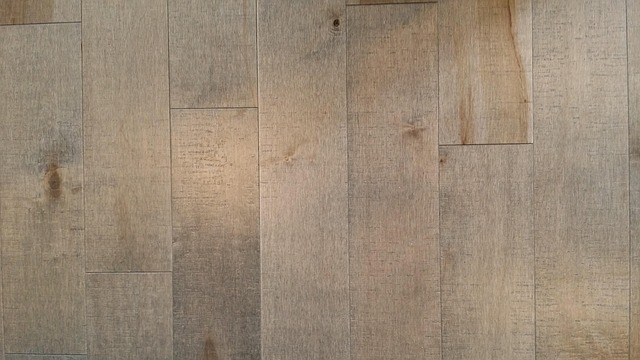
When considering hardwood floor installation Denver, choosing the right species is paramount to achieving a stunning and durable finish. The vast array of options available can be overwhelming, but understanding the characteristics and aesthetics of each species allows for a more informed decision. For instance, oak floors are renowned for their versatility and durability, suiting both contemporary and traditional styles. Maple, on the other hand, offers a lighter tone and finer grain, lending itself to more modern interiors.
It’s crucial to align your flooring choice with the ambiance you wish to create and the room’s natural light levels. Dark woods like walnut impart a rich, dramatic atmosphere, while lighter species like birch or cherry can open up spaces and reflect sunlight. Moreover, consider the high-end hardwood flooring options Denver offers; exotics such as Brazilian cherry or African mahogany add a touch of luxury, though they come at a premium price point compared to domestic varieties.
Cost is another significant factor in hardwood floor installation Denver projects. The price varies widely based on species, finish, and installation complexity. According to recent market data, the average cost for high-quality hardwood flooring in Denver ranges from $7 to $15 per square foot, with luxury options reaching upwards of $20. For instance, rubber flooring Denver or carpet installation Denver might appeal to those seeking more affordable alternatives, though they don’t offer the same longevity and aesthetic appeal as solid hardwoods. Ultimately, balancing your design vision, budget, and durability expectations is key when selecting a hardwood species for your Denver home.
Underlayment and Subfloor Inspection in Denver Climate
In the world of hardwood floor installation Denver, proper underlayment and subfloor inspection are crucial steps that often determine the longevity and performance of your new flooring. Given the unique climate conditions in Denver, with varying temperatures and humidity levels, selecting the right underlayment is essential to prevent issues like warping or cupping. An experienced hardwood floor installer near me will assess the existing subfloor, ensuring it’s level and stable, and choose an appropriate underlayment that provides the necessary insulation, vapor barriers, and structural support.
For instance, in colder months, when snow and ice can cause ground freezing, a flexible, high-performance underlayment can help maintain warmth beneath the floor. Similarly, during humid summers, a breathable underlayment prevents moisture buildup, which could lead to carpet Denver or hardwood floor repair and replacement issues. In many cases, a combination of foam underlayment for insulation and a breathable membrane for moisture control is recommended. This dual protection not only ensures your new flooring stays in top condition but also adds value to your home.
Hardwood floor repair and replacement in Denver can be costly, so proactive measures during installation are key. Regularly inspect the subfloor for any signs of damage, rot, or insect infestation before and after the underlayment is installed. Addressing these issues early can save you from extensive repairs down the line. Additionally, consider engaging an expert to conduct a thorough assessment of your home’s structural integrity, ensuring that your hardwood floor installation Denver meets all local building codes and safety standards. This meticulous approach guarantees a robust foundation for your new flooring, enhancing its aesthetic appeal and functional lifespan.
Professional Tools and Techniques for Seamless Installation

When it comes to hardwood floor installation Denver, professionals employ a range of specialized tools and techniques to ensure a seamless, high-quality finish. The right equipment makes all the difference, from precise measurements to efficient material handling. For instance, laser measuring tools offer unparalleled accuracy in determining room dimensions, ensuring each board is cut to fit perfectly. This meticulous approach minimizes waste, which not only saves costs but also contributes to sustainability.
One of the key aspects is using advanced flooring installation systems. These include click-lock or floating floors that interlock boards together, making installation quicker and easier. Such systems are particularly beneficial for large areas, as they can be laid by untrained hands under expert supervision. Moreover, they provide excellent insulation against sound and temperature, enhancing the comfort of your living space. To get an idea of the versatility, consider modern hardwood floor designs for living rooms Denver that incorporate these systems, offering both aesthetic appeal and practical benefits.
Cost estimation is a crucial step in any installation project. Estimate hardwood floor installation cost near me by factoring in material, labor, and overhead expenses. Many reputable hardwood floor installation services with free estimates Denver offer comprehensive quotes, breaking down costs for materials, professional setup, and any additional services like subfloor preparation or finishing touches. For instance, a recent study showed that the average cost per square foot for hardwood flooring can range from $3 to $10, depending on the type of wood, installation method, and local market conditions.
Additionally, professionals employ specialized tools for fixing loose hardwood floorboards Denver, ensuring stability and longevity. These may include floor scrapers, sanders, and refinishing equipment. Regular maintenance using these tools can extend the life of your flooring, preserving its beauty and value. Remember that when you’re considering a makeover, modern hardwood floor designs for living rooms Denver can offer both contemporary style and durability, enhancing your home’s overall aesthetic appeal.
Best Practices for Optimizing Floor Performance and Durability

When it comes to hardwood floor installation Denver, optimizing performance and durability is paramount. A well-installed flooring system not only enhances the aesthetic appeal of your space but also ensures longevity and comfort. Expert installers in Denver understand that proper preparation, high-quality materials, and meticulous techniques are key to achieving this. For instance, a study by the National Wood Flooring Association (NWFA) revealed that professional installation can significantly reduce floor movement, a primary cause of early wear and tear.
One of the best practices involves ensuring a level subfloor before laying hardwood. In Denver’s varying climate, floors may expand and contract with temperature changes, requiring a secure base to prevent gaps and cracks. Carpet Denver or carpet tiles offer an additional layer of comfort and sound insulation, which can mitigate floor noise and improve overall indoor air quality. Proper acclimation of wood boards is also crucial; allowing new hardwood to adjust to the in-home environment before installation prevents warping due to sudden changes in humidity levels, a common issue in Colorado’s dry winters.
Another vital aspect is sealing joints and edges. Proper caulking not only maintains the aesthetic integrity of your hardwood floor installation Denver but also seals out moisture, pests, and dirt. Regular maintenance, including polishing and deep cleaning, plays an equally important role in preserving the flooring. By following these best practices, homeowners can expect their hardwood floors to endure for decades, providing a timeless and elegant finish to any room, whether it’s a cozy living area or a luxurious bedroom.
Post-Installation Care: Maintaining Your New Hardwood Floors
After your hardwood floor installation Denver is complete, proper care is essential to ensure your new floors remain beautiful and durable for years to come. This includes regular cleaning, avoiding certain types of stains, and understanding the best practices for maintaining different finishes. A quick guide to post-installation care can help you preserve the look and quality of your hardwood floors.
Start by sweeping or vacuuming your floors regularly, using a soft brush attachment to prevent damaging the surface. For deep cleaning, opt for a wet mop with a mild detergent suitable for hardwood. Avoid harsh chemicals as they can strip away finishes. When it comes to stains, act quickly. Spills should be wiped up immediately, and in the case of tough spots like ink or wine, use a specialized hardwood floor stain remover. The type of finish on your floors will dictate the best approach – oil-based finishes are more durable but require more frequent reapplication, while water-based finishes are easier to maintain but may not last as long.
Consider the traditional vs modern hardwood floor styles popular in Denver when choosing your maintenance routine. For example, a light-colored, modern oak might show scratches more readily, necessitating a gentle touch with a microfiber cloth. In contrast, a darker, rustic style could withstand more traffic and benefit from a slightly harsher clean. Regular inspection is key; checking for loose boards, tight knots, or signs of damage will help you catch issues early. By following these hardwood floor installation tips for beginners and staying informed about the Denver market’s latest trends in hardwood floor stains and finishes, you can ensure your new floors remain a stunning addition to your home for decades.
Hardwood Floor Installation Denver involves a meticulous process that requires careful planning and expert execution. By meticulously preparing your space, selecting the perfect hardwood species tailored to your climate, and employing professional tools and techniques, you lay the foundation for a beautiful and durable floor. Proper underlayment inspection and installation are crucial to mitigating moisture issues common in Denver’s unique environment. Post-installation care, including regular cleaning and maintenance, ensures your hardwood floors remain stunning and long-lasting. Following these best practices guarantees a seamless transition to exquisite hardwood floors that will enhance your Denver home for years to come.