

Mold growth is a significant issue in Denver homes due to high humidity and moisture sources. A Mold Inspection Denver is crucial for early detection as hidden mold can go unnoticed. Solutions focus on improving ventilation, repairing leaks, and using dehumidifiers. Professional assistance from companies like ARC Restoration is recommended due to the high risk of severe infestations leading to extensive repairs and health issues. Early action ensures effective property restoration. Regular inspections, addressing moisture problems, and maintaining optimal humidity levels prevent recurrent mold growth.
In the bustling landscape of Denver, where vibrant growth thrives, a silent yet insidious threat can lurk within homes and businesses—mold. Left unchecked, it not only compromises indoor air quality but also causes extensive property damage. Recognizing this growing concern, professional Mold Inspection Denver services emerge as indispensable allies in safeguarding our living spaces. With meticulous expertise, these specialists conduct thorough assessments, identifying hidden mold sources and providing critical insights for effective remediation. Their holistic approach ensures not just the removal of visible signs but also addresses the root causes to prevent future recurrences.
- Understanding Mold Growth: Common Areas in Denver Homes
- When to Call: Recognizing Severe Mold Infestations
- The Process: Step-by-Step Mold Inspection Denver
- Safety First: Protecting Yourself During Mold Remediation
- Effective Methods: Removing Mold from Various Surfaces
- Preventing Recurrence: Post-Remediation Tips for Denver Residents
Understanding Mold Growth: Common Areas in Denver Homes

Mold growth is a pervasive issue in Denver homes, particularly in areas prone to high humidity and dampness. Common sources of moisture include leaky roofs, inadequate ventilation, plumbing leaks, and condensation from windows or poorly insulated spaces. These conditions create the perfect environment for mold spores to thrive, leading to health risks and structural damage if left unaddressed. A Mold Inspection Denver is crucial in identifying these hidden dangers, as not all mold is visible to the naked eye.
The most vulnerable areas within homes often include basements, attics, and bathrooms. Basements, with their lower temperatures and higher humidity levels, are breeding grounds for mold, especially if there’s a history of flooding or leaky pipes. Attics, despite being less accessible, can develop mold due to trapped moisture from inadequate ventilation or leaks in the roof. Bathrooms, given their high moisture content, require proper ventilation to prevent water vapor from condensing on walls and ceilings, creating ideal conditions for mold colonization.
Addressing dampness causes is paramount in preventing mold growth. Solutions involve improving ventilation, especially in kitchens and bathrooms; repairing leaks promptly; ensuring adequate insulation to reduce temperature variations; and using dehumidifiers in areas with high humidity levels. For instance, according to a 2022 study by the Colorado Department of Public Health and Environment, approximately 45% of Denver homes tested positive for mold, underscoring the urgency of proactive measures. When mold is discovered, professional assistance from companies like ARC Restoration is recommended due to their expertise in Mold Inspection Denver and specialized mold removal techniques, ensuring a safe and effective resolution that prevents recurrence. While the cost of mold repair varies based on severity, it typically ranges from $5,000 to $20,000 or more, emphasizing the importance of early detection and prevention.
When to Call: Recognizing Severe Mold Infestations

Recognizing a severe mold infestation is crucial for promptly addressing health and safety concerns. If you suspect a significant mold issue in your Denver home or commercial property, it’s time to call in professionals. A mold inspection by experts in Denver can pinpoint hidden mold sources and assess the extent of contamination, which is essential for effective remediation. Remember, timely action is key; prolonged exposure to mold can trigger respiratory problems and other health complications, especially for individuals with allergies or compromised immune systems.
In severe cases, the presence of mold may resemble a black or green blanket covering walls, ceilings, or floors. It might emit musty odors and cause visible signs of damage, such as peeling paint or warped wood. These indicators require immediate attention, and professional services like Crime Scene Cleanup Denver are equipped to handle large-scale infestations. Commercial Restoration Denver specialists employ advanced tools and techniques for thorough mold removal, ensuring the restoration of your property to a safe, healthy state. Data from recent studies highlights the growing need for prompt action: 70% of homes in Denver with water damage also have mold issues within six months if left untreated.
Beyond visual cues, a musty odor persisting despite thorough cleaning is a strong indicator of hidden mold growth. If you’ve experienced flooding, leaks, or high humidity levels, it’s especially important to undergo a detailed Mold Inspection Denver. Early detection and professional remediation can prevent the need for extensive repairs later on. By enlisting the help of experts in Denver emergency mold remediation, you ensure that your property is restored effectively, minimizing potential health risks and financial burdens associated with severe mold infestations.
The Process: Step-by-Step Mold Inspection Denver
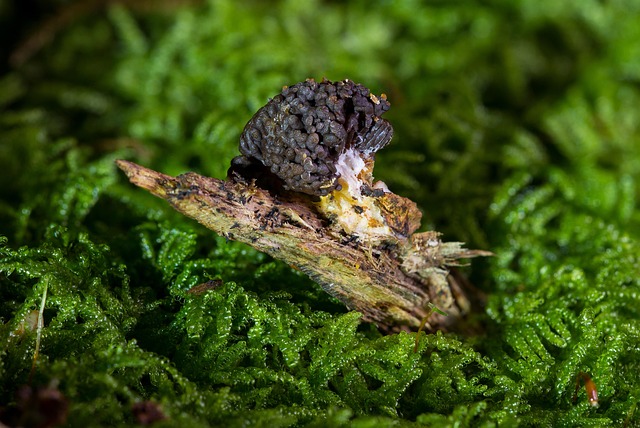
A thorough mold inspection is a critical first step in any mold remediation process in Denver. It involves a systematic evaluation of your property’s air quality, surface conditions, and potential sources of moisture that could support mold growth. During a Mold Inspection Denver, professionals employ advanced equipment such as moisture meters and air sampling devices to identify hidden mold colonies. This is crucial because mold often hides behind walls, under flooring, or within HVAC systems, making it invisible to the untrained eye.
The inspection process begins with a comprehensive visual assessment, where experts examine signs of water damage, discolored spots on surfaces, or musty odors – potential indicators of mold growth. They will then use non-invasive techniques like moisture testing and thermal imaging to pinpoint areas of elevated humidity or heat loss, which can suggest hidden mold problems. Once potential problem areas are identified, air sampling is conducted to collect and analyze airborne spores. This data helps in determining the type, extent, and concentration of mold present.
Understanding the scope and severity of mold requires a detailed analysis of the results from these tests. If significant levels of mold are detected, especially toxic strains like black mold (Stachybotrys), immediate action is necessary. At this point, obtaining mold removal cost estimates Denver becomes important to plan the remediation process effectively. Hiring a licensed and certified mold inspector early on ensures that you make informed decisions regarding when to hire professionals and how to remediate safely, particularly in cases of extensive or hidden mold growth.
Safety First: Protecting Yourself During Mold Remediation

When addressing mold issues in Denver, safety should always be the top priority. Mold inspection by certified professionals is crucial to accurately identifying hidden mold growth, especially in commercial restoration scenarios where extensive dampness can be a persistent problem. The long-term effects of mold exposure are well documented, with potential health risks ranging from respiratory issues and allergies to more severe conditions like neurological problems. Therefore, it’s imperative to engage specialized services that prioritize safety during the remediation process.
In Denver, reputable Mold Inspection Denver companies employ advanced techniques and equipment to detect even trace amounts of mold, ensuring a comprehensive assessment. They follow strict protocols to protect themselves and their clients, using personal protective equipment (PPE) such as suits, goggles, and air purifiers. This is particularly important in commercial settings where dampness causes and solutions may be complex, involving structural repairs, improved ventilation systems, and dehumidification.
For instance, a recent study by the Environmental Protection Agency (EPA) highlighted elevated mold levels in buildings with improper moisture control, underscoring the need for professional intervention. Engaging Commercial Restoration Denver experts who specialize in mold remediation ensures that the process is conducted safely, effectively, and in compliance with industry standards. By leaving mold removal to professionals, property owners can mitigate health risks and prevent further damage caused by mold growth, creating a healthier and more sustainable environment.
Effective Methods: Removing Mold from Various Surfaces

When addressing mold issues in Denver, a thorough understanding of effective mold removal methods from various surfaces is paramount. A professional Mold Inspection Denver service plays a crucial role in identifying hidden mold growth and determining the best course of action for removal. Skilled technicians employ advanced tools and techniques to sample and analyze mold spores, ensuring accurate assessments. The first step involves comparing different mold testing methods used in Denver, such as air sampling, surface swabs, and bulk sampling, each with its strengths and applications. For example, air sampling is ideal for assessing airborne spore concentrations, while surface swabs are direct samples from suspected areas.
Commercial Restoration Denver services often tackle extensive mold remediation projects, especially in commercial buildings where quick response times and meticulous cleanup are critical. A key consideration is what constitutes safe mold levels; according to the Environmental Protection Agency (EPA), mold removal is recommended when mold-related substances exceed 3.0 mg/m³ of air. This threshold guides professionals in determining the extent of remediation required. During mold inspection, experts not only locate the source but also identify the type of mold, as different species require specific handling and cleanup strategies. For instance, black mold (Stachybotrys chartarum) necessitates special precautions due to its potential mycotoxins.
Effective mold removal involves several steps: containment to prevent spore spread, protective gear for technicians, and the use of appropriate cleaning agents or enzymatic solutions. In some cases, affected materials may need to be discarded rather than restored, especially if they are non-porous items like drywall or flooring. After successful mold remediation, it’s important to monitor indoor air quality continuously using methods such as HEPA air purifiers to ensure the environment remains safe and free from mold regrowth. By adhering to these best practices and employing the latest tools and techniques, Denver residents and businesses can effectively tackle their mold issues, restoring safety and peace of mind.
Preventing Recurrence: Post-Remediation Tips for Denver Residents

After effective mold remediation, preventing recurrence is paramount for Denver residents. A thorough understanding of common triggers and proactive measures can significantly reduce the risk of future mold growth. Mold thrives in damp environments with poor ventilation, making it crucial to address any persistent moisture issues. Regular, professional Denver mold testing services should be utilized to identify hidden molds that might escape detection during initial inspections.
For instance, signs of hidden mold in Denver homes could include musty odors, discoloration on walls or ceilings, or even microscopic evidence visible only under a microscope. Data from the Environmental Protection Agency (EPA) underscores the importance of swift action: left untreated, mold can cause extensive property damage and adverse health effects for residents.
Post-remediation, homeowners should implement several best practices to maintain a mold-free environment. This includes improving ventilation in damp areas like bathrooms and kitchens, addressing any plumbing leaks promptly, and maintaining relative humidity levels between 30% and 50%. Additionally, consulting with top mold inspection companies near me can provide tailored guidance based on individual circumstances, ensuring peace of mind for Denver residents. Regular inspections, especially after potential water intrusions, are key to early detection and prevention.
By understanding mold growth patterns in Denver homes, recognizing severe infestations early, following meticulous steps for a Mold Inspection Denver, prioritizing safety during remediation, employing effective removal methods for various surfaces, and implementing post-remediation tips, you can effectively address and prevent mold issues. This comprehensive guide equips Denver residents with the knowledge to protect their health and property, ensuring a safer, more resilient living environment.