

Hardwood Floor Installation Denver costs vary widely, averaging $8-$16/sq ft, based on flooring type, project scope, and contractor expertise. Key factors include flooring material, installation complexity, subfloor condition, and access. Solid oak and maple floors are pricier but durable; engineered wood is more affordable. Refinishing existing floors is less expensive than replacement. DIY installations save costs but may lead to quality issues. Expert contractors offer advice on trends, maintenance, and long-term value. Compare multiple quotes from reputable installers to secure the best value for your Denver hardwood floor installation project.
In the realm of home renovation, few projects carry as much weight as hardwood floor installation. Denver residents increasingly seek expert guidance on cost, especially given the city’s vibrant real estate market. Understanding the price per square foot for Hardwood Floor Installation Denver is crucial, offering a clear roadmap for budgeting and informed decision-making. This article cuts through complexity, providing authoritative insights into the factors influencing costs in Denver, ensuring homeowners can navigate this process with confidence and make informed choices for their spaces.
- Understanding Hardwood Floor Installation Costs in Denver
- Factors Influencing Price per Square Foot in Denver
- Material and Labor Costs for Hardwood Floors in Denver
- Local Market Trends: Denver Hardwood Floor Prices
- Cost Breakdown: Installation vs. Material Only in Denver
- Tips to Save on Hardwood Floor Installation in Denver
Understanding Hardwood Floor Installation Costs in Denver
Hardwood floor installation cost per square foot in Denver can vary significantly, influenced by factors like flooring type, project scope, and contractor expertise. According to recent market data, the average cost for hardwood floor installation in Denver ranges from $5 to $10 per square foot, with high end options reaching up to $20 or more. This price range includes materials and labor, but specific costs can fluctuate based on individual needs.
Area rugs Denver and high-end flooring options are popular choices among homeowners, each carrying its own cost implications. While area rugs offer a more affordable solution for specific areas, hardwood floor installation Denver for entire spaces tends to be a substantial investment. High-end flooring materials, such as exotic wood species or engineered hardwood with intricate designs, command premium prices compared to standard options like oak or maple. For instance, luxury vinyl plank flooring, a popular alternative to hardwood, can range from $3 to $7 per square foot, providing a more budget-friendly comparison point.
Hardwood floor refinishing vs replacement costs in Denver is another crucial consideration. Refinishing, which involves sanding and coating existing hardwood floors, typically costs between $2 and $4 per square foot. This makes it a cost-effective solution for floors in good condition. However, for old or damaged floors, replacement might be the better option, with installation prices varying based on flooring type and project complexity. On average, replacing and installing new hardwood floors can range from 50% to 100% more than refinishing, underscoring the importance of assessing floor condition before making a decision.
When planning hardwood floor installation Denver, homeowners should secure multiple quotes from reputable contractors. This allows for comparing not just prices but also the scope of work, materials offered, and contractor experience. It’s also wise to consider long-term value—high-quality flooring that lasts 25 years or more can be a sound investment despite initial costs. By balancing budget with quality and seeking expert advice, Denver residents can ensure their hardwood floor installation project aligns with both aesthetics and financial goals.
Factors Influencing Price per Square Foot in Denver
When considering hardwood floor installation Denver, understanding the cost per square foot is crucial. Several factors significantly influence this price point in the vibrant Denver market. One of the primary determinants is the type and quality of hardwood chosen. Premium, exotic species like Brazilian cherry or walnut command higher prices than domestic options such as oak or maple. The complexity of the installation also plays a vital role; intricate designs or tailored cuts require more skilled labor, impacting the overall cost per square foot in Denver.
Furthermore, the condition of the subfloor and existing flooring—if any—can drive up expenses. In cases where the subfloor needs extensive repair or preparation, or when removing old carpet or flooring in Denver, these efforts contribute to the total project cost. Access to the space is another factor; tight quarters or difficult-to-reach areas may necessitate specialized equipment and additional labor hours, reflecting in the price per square foot.
Interestingly, comparing hardwood floor installation Denver with carpet installation Denver reveals notable differences. Carpets often offer more affordable upfront costs but may require frequent replacement, factoring in long-term savings. Hardwood, while initially more expensive, can last for decades with proper care, potentially making it a more cost-effective choice in the Denver climate where homes experience varying seasons. Flooring professionals in Denver typically provide detailed estimates based on these variables, ensuring transparency and enabling informed decisions for homeowners.
Material and Labor Costs for Hardwood Floors in Denver
The cost of hardwood floor installation in Denver varies greatly depending on several factors including flooring type, complexity of the layup, and the size of your space. On average, you can expect to pay between $7 and $12 per square foot for materials and labor combined. This puts the total cost for a typical 500-square-foot living room or kitchen anywhere from $3,500 to $6,000.
Hardwood flooring materials are a significant portion of the overall expense. Solid hardwood boards, known for their durability and aesthetic appeal, generally cost more than engineered hardwood, which is constructed with a core of plywood or laminates. Luxury vinyl plank (LVP) floors, a popular alternative, often fall in between in terms of price. Additionally, factors like species, grade, and finish influence the material cost. For instance, American walnut or oak can be significantly pricier than softer woods like pine.
Labor costs for hardwood floor installation Denver vary based on the complexity of the job. Simple replacement projects or small installations might run around $5 to $7 per square foot. However, more intricate layouts with custom cuts and intricate designs will typically command higher rates, often exceeding $10 per square foot. Experienced eco-conscious hardwood floor installers Denver who specialize in refinishing may charge slightly less for routine jobs but can be more expensive for extensive renovations due to the time and skill required. To get a precise estimate, it’s advisable to consult with several professionals who can assess your space and offer tailored quotes.
Remember that these are averages, and your specific project could vary widely based on unique circumstances. For instance, if you’re installing in a narrow hallway, material costs will be lower, but labor might increase due to the tight quarters. Conversely, large open spaces with complex layouts can drive up material expenses while simplifying labor installation tips for beginners. Regardless of your project scope, regularly researching local market rates and comparing multiple bids from reputable installers is crucial for ensuring you receive a fair price.
Local Market Trends: Denver Hardwood Floor Prices
Denver’s hardwood floor market reflects a balance between traditional craftsmanship and modern trends, with prices varying based on these factors and the current economic climate. According to recent data, the average cost of hardwood floor installation in Denver hovers around $7-$12 per square foot, with some high-end jobs reaching up to $15. This range includes labor and materials, showcasing a slight increase from previous years. The city’s flooring contractor scene is vibrant, offering a mix of specialized firms and DIY enthusiasts.
One key trend influencing prices is the preference for traditional hardwood styles. Solid oak and maple floors remain popular choices among Denver residents, often requiring more extensive installation processes due to their density. These traditional options typically carry a premium, with costs ranging from $8 to $13 per square foot, installed. Conversely, modern trends lean towards engineered wood flooring, which is more affordable at around $6-$10 per square foot but may require less skilled labor. Wood floor refinishing services in Denver also vary based on these factors; a complete refresh of an old hardwood floor can cost twice as much as a new installation job.
When considering do-it-yourself (DIY) hardwood floor installation, it’s essential to factor in the time and expertise required. While DIY methods can reduce costs, they may lead to longer project timelines and potential quality compromises. For instance, a 2022 survey revealed that only 35% of Denver homeowners successfully installed their own floors, with many seeking professional assistance due to complexity and finishing issues. Expert contractors offer valuable insights into the latest trends, ensuring installations align with modern aesthetics, such as the popular wide-planked, light-colored floors that define contemporary interiors in Denver’s bustling real estate market.
Cost Breakdown: Installation vs. Material Only in Denver
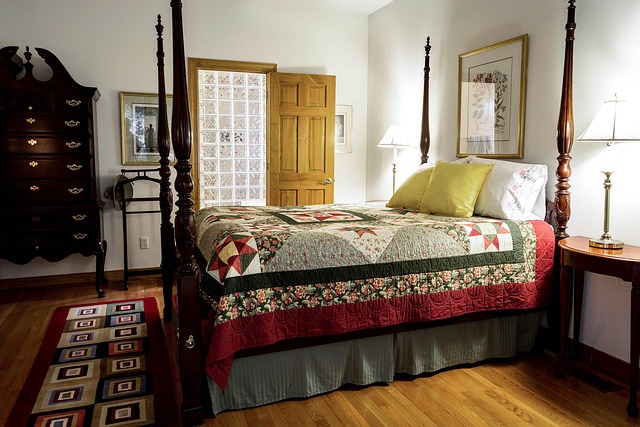
When considering hardwood floor installation Denver, understanding the cost breakdown is crucial. The price per square foot varies widely based on factors like flooring type, complexity of install, and local market conditions. On average, homeowners in Denver can expect to pay between $5 and $10 per square foot for materials alone, with installation costs ranging from $3 to $6 per square foot, totaling $8 to $16 per square foot as a base estimate.
A nuanced approach, following best practices for hardwood floor installation, can significantly impact the final price. For instance, pre-planning and preparation account for a substantial portion of the cost. This includes removing existing flooring, preparing subfloors, and ensuring proper moisture control—all essential steps that professionals rigorously execute to prevent long-term damage. Comparatively, carpet installation typically costs less upfront but lacks durability and customization options associated with hardwood.
When deciding between carpet and hardwood floor installation Denver, consider the pros and cons. Hardwood offers enhanced aesthetics, increased property value, and easy refinishing. Conversely, carpets provide warmth, comfort, and noise reduction. To make an informed decision, consult local references for hardwood floor installers Denver who can offer expert advice tailored to your needs. Remember, a well-planned installation, whether it’s carpet or hardwood, should align with your budget and long-term preferences.
Tips to Save on Hardwood Floor Installation in Denver
Hardwood floor installation can be a significant investment for Denver residents, with costs varying widely based on factors like flooring type, project scope, and installer expertise. In this competitive market, saving money while securing high-quality workmanship is crucial. Herein lie several strategic tips to navigate the cost landscape of hardwood floor installation in Denver, ensuring you get the beautiful, durable floors you desire without breaking the bank.
First, explore the diverse range of high-end hardwood flooring options available in Denver. While these premium choices might carry a higher upfront cost, they often offer exceptional durability and aesthetics that can enhance your home’s value for years to come. For eco-conscious homeowners, consider seeking out local installers specializing in sustainable flooring practices. Many eco-friendly manufacturers now offer certified, responsibly sourced hardwoods, and Denver has a growing community of contractors committed to green building principles. This approach not only saves on installation costs but also contributes to a healthier planet.
Another effective strategy involves comparing quotes from multiple installers, focusing on those with proven track records in the Denver area. Prices can vary dramatically, and understanding the market rate will empower you to identify potential deals without compromising quality. Moreover, be open to considering alternative flooring options like laminate. While not hardwood, high-quality laminates can mimic the look and feel at a significantly lower cost. For instance, according to recent surveys, the average cost of hardwood floor installation in Denver ranges from $5 to $10 per square foot, with premium options reaching up to $20 or more. Laminate flooring, on the other hand, typically costs between $2 and $5 per square foot, making it an attractive budget-friendly alternative.
Lastly, be mindful of your project’s scope and complexity. Simple, straightforward installations will generally cost less than intricate designs involving custom cuts and intricate patterns. Simple floor plans or renovations allowing for existing flooring removal may qualify for lower rates. Consulting with multiple installers can provide valuable insights into these nuances, enabling you to make informed decisions that align with both your design vision and financial goals.
After delving into the factors influencing hardwood floor installation cost per square foot in Denver, it’s clear that understanding local market trends and material/labor costs is key. The article has unveiled a comprehensive breakdown of expenses, revealing that the average price per square foot in Denver ranges from $7 to $12, with material and labor contributing equally. Key insights include the impact of floor complexity, board species, and finish choices on overall cost. Moreover, local market trends suggest consistent demand for hardwood floors in Denver, underpinned by their timeless aesthetic appeal and increased property value. To save on installation, homeowners are advised to obtain multiple estimates, consider DIY options for simple layouts, and opt for budget-friendly yet durable materials. By understanding these factors and leveraging the tips provided, residents of Denver can make informed decisions regarding hardwood floor installation, ensuring both quality and affordability.