
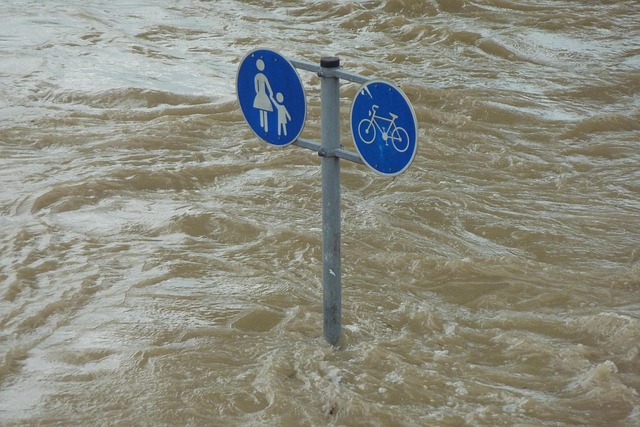
Flooding in Denver requires a systematic approach for effective recovery. Key steps include immediate safety measures, documenting damage, professional assessment, and specialized restoration services to prevent mold and structural issues. Short-term actions involve water extraction and drying, while long-term repairs focus on structural fixes and reinforcement. Regular maintenance mitigates future risks. Engaging Flood Damage Repair Denver experts ensures efficient, safe restoration.
In the face of Denver’s unpredictable weather patterns, flood damage repair Denver has become a critical skill for homeowners to master. Rapidly rising waters can cause extensive destruction, leaving homes in disarray. This article serves as a comprehensive guide for navigating the aftermath of such disasters, offering practical tips to ensure effective recovery and restoration. We’ll explore strategies to mitigate further harm, prioritize safety, and effectively communicate with professionals in the field. By following these steps, Denver residents can efficiently restore their properties, turning flood damage into an opportunity for renewal and resilience.
- Assessing Flood Damage in Denver Homes
- Immediate Steps After a Denver Flood Event
- Restoring Your Home: A Guide for Denver Residents
- Insurance Claims and Flood Damage Repair Denver
- Long-Term Recovery Tips for Post-Flood Denver Houses
Assessing Flood Damage in Denver Homes
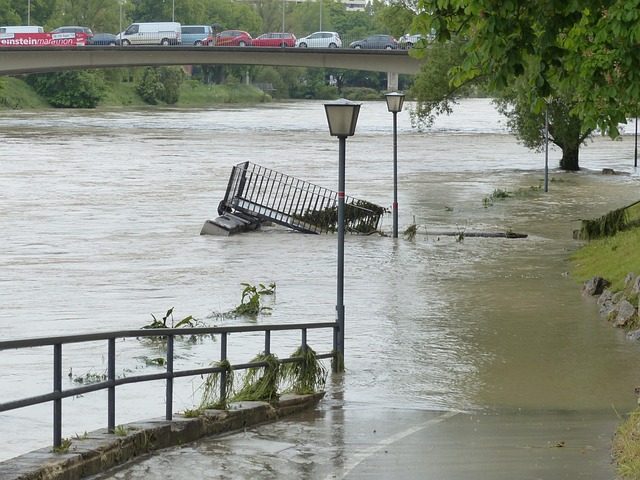
Assessing Flood Damage in Denver Homes requires a systematic approach to ensure effective recovery. Homeowners in Denver, known for its unpredictable weather patterns, must be prepared for sudden flash floods or slow-moving riverine floods that can cause extensive water damage. The first step is to document and assess the flood’s impact on your property, focusing on structural integrity, electrical systems, and water-sensitive materials like drywall and insulation. For instance, water damaged drywall repair Denver services are in high demand post-flood events due to the common occurrence of sheetrock deterioration and mold growth.
Visual inspection is crucial, noting any visible signs of water intrusion, such as peeling paint or warped floors. Check for water lines on walls and ceilings, indicating the extent of saturation. It’s also essential to assess the source and depth of water to determine the level of damage. Homeowners should document their findings with photos for insurance claims and future reference, ensuring they capture both broad overviews and close-ups of affected areas. In Colorado, where severe weather events are becoming more frequent, having a comprehensive understanding of flood damage repair Denver processes can streamline recovery efforts.
Before beginning any repairs, ensure proper drying out has occurred to prevent mold growth. Professional services often employ advanced equipment like dehumidifiers and air movers for faster drying. Once the area is dry, assess structural integrity, especially in areas with significant water pressure. Structural engineers may be needed to evaluate larger homes or commercial properties. For Denver residents, understanding the scope of flood damage repair CO-specific regulations and insurance coverage is vital. Consulting with local experts and professionals experienced in denver residential flood recovery can offer invaluable insights into navigating these complexities.
Immediate Steps After a Denver Flood Event

After a flood event in Denver, immediate action is crucial for effective recovery. Homeowners must act swiftly to mitigate further damage and begin the process of Flood Damage Repair Denver. The initial 24–48 hours are critical, requiring a multi-step approach to ensure safety and prevent long-term complications. First, turn off electrical power at the main circuit breaker to avoid the risk of electrocution and fire. Then, evacuate the property immediately if there’s significant water intrusion, especially from rivers or flash floods, as these events can quickly turn dangerous.
Once safely outside, document damage through photos for insurance claims. Pay particular attention to structural integrity concerns, like weakened walls or floors, which might require professional assessment before entering again. If smoke damage is present due to nearby fires, prioritize Smoke Damage Restoration Denver by sealing off affected areas and removing contaminated items. This prevents the spread of odors and potential health risks associated with smoke. For example, in 2021, rapid response during a major flood event in the Denver area led to successful reconstruction for many homeowners within months, demonstrating the importance of early action.
Next, begin drying out the property using fans and dehumidifiers. This step is vital to prevent mold growth, which can cause further health issues and structural damage. Ensure proper ventilation throughout the process, especially in hard-to-reach areas like basements. After drying, assess repair needs with a professional contractor who specializes in Denver emergency flood response. They’ll provide an accurate estimate for reconstruction, ensuring your home is restored to its pre-flood condition or beyond, with modern safety upgrades incorporated into the design.
Restoring Your Home: A Guide for Denver Residents

Flooding can turn your home into a chaotic mess, but with the right approach, Denver residents can navigate the recovery process effectively. Restoring your home after a flood involves multiple steps, from immediate safety measures to long-term repairs. This guide offers practical advice tailored for Denver homeowners dealing with flood damage repair.
The first step is ensuring your safety and that of your family. Turn off electricity and gas supplies to prevent fires or electrocution. If water levels rise above waist-high, evacuate immediately. Once the immediate threat has passed, document the damage thoroughly, taking photos of affected areas from multiple angles. This visual record will be invaluable for insurance claims and future reference. Contacting a reputable Denver residential flood recovery service like ARC Restoration is crucial. They can provide expert assessment, 24/7 response, and specialized restoration services tailored to your specific needs.
Flood damage repair Denver requires a multi-phased approach. Immediate actions include removing water and wet items from your home, using pumps or towels if necessary. Dry everything thoroughly to prevent mold growth, which can compromise indoor air quality and structural integrity. ARC Restoration offers advanced drying techniques to ensure efficient and thorough desiccation. Once dry, address sanitization and deodorization to eliminate any unpleasant odors and prevent the spread of bacteria or mildew. Proper restoration is not just about aesthetics; it’s about protecting your health and ensuring your home is safe for occupancy.
Long-term flood damage repair Denver involves structural repairs, rebuilding, and remodeling. Working with a skilled contractor who understands local building codes and climate-specific challenges is essential. ARC Restoration provides comprehensive restoration services, from fixing leaks and replacing drywall to reconstructing damaged areas. Regular maintenance, such as checking drainage systems and sealing entry points for water, can help prevent future flooding. By following these steps and considering professional assistance from reputable Denver restoration services like ARC Restoration, homeowners can restore their properties effectively, minimizing disruption and ensuring a safe, comfortable living environment.
Insurance Claims and Flood Damage Repair Denver

Following a flood, navigating insurance claims and flood damage repair Denver can seem overwhelming. Homeowners must quickly assess their situation, document damage, and decide on restoration methods, all while managing emotional stress. Understanding your policy coverage and enlisting professional help from reliable Denver flood damage repair companies is crucial for a smooth recovery process.
The first step in flood damage repair Denver involves assessing the extent of water intrusion and its impact. Water can cause significant structural damage, promote mold growth, and compromise indoor air quality within 24-48 hours. Professional water damage restoration Denver experts use advanced equipment to extract standing water and dry affected areas thoroughly. This initial intervention is vital to prevent long-term issues like mold removal Denver, which can be costly and time-consuming. According to a study by the Insurance Institute for Business & Home Safety (IBHS), prompt action within 48 hours of flooding can reduce the average cost of repair by 25%.
When filing an insurance claim for flood damage repair Denver, homeowners should thoroughly document their losses with photos and receipts. This includes both structural damage and personal belongings affected. The National Flood Insurance Program (NFIP) provides comprehensive guidelines on what constitutes insurable damage. Homeowners should review these guidelines carefully when preparing their claims. After your insurance company evaluates the claim, they will either approve or deny coverage, providing an estimate for repairs. For extensive flood damage repair Denver, engaging a reputable contractor known for quality work and customer satisfaction can make all the difference in the restoration process. These professionals have access to specialized equipment and supplies to expedite drying, clean up, and rebuilding efforts.
Remember, mold removal Denver is often a necessary component of post-flood recovery due to moisture buildup. Reliable Denver flood damage repair companies employ certified technicians who understand the latest methods for safe and effective mold remediation. This ensures a healthier home environment post-restoration. By prioritizing professional help, thorough documentation, and quick action, homeowners can facilitate a smoother transition back into their homes after a flooding event.
Long-Term Recovery Tips for Post-Flood Denver Houses

Recovering from a flood is an arduous process, especially for Denver homeowners facing the aftermath of such a significant event. While initial response efforts focus on emergency evacuation and safety, long-term recovery demands a strategic approach to restore your home and protect against future damage. This comprehensive guide offers expert advice tailored to the unique challenges presented by post-flood conditions in Denver, Colorado.
Restoring flooded basements in Denver and drying out flooded homes effectively are crucial first steps. Water extraction should be performed promptly by professional flood damage repair Denver services to mitigate mold growth and structural decay. It’s important to remember that complete drying is essential; moisture left behind can lead to costly secondary damage. Consider investing in specialized equipment like dehumidifiers and air movers to expedite the process, ensuring every nook and cranny of your property is thoroughly dried.
Once the initial restoration work is complete, homeowners should turn their attention to rebuilding and reinforcing. This involves inspecting structural integrity and addressing any issues with walls, roofs, or foundations. For example, a study by the Colorado Division of Emergency Management revealed that homes rebuilt after previous floods in Denver were less susceptible to severe damage during subsequent events. Long-term flood protection measures like installing waterproof barriers, raising essential appliances above potential flood levels, and reinforcing doors and windows can significantly reduce future damage, providing peace of mind for Denver residents.
Regular maintenance plays a vital role in post-flood recovery. Regular inspections and updates to flood prevention systems ensure ongoing protection. For instance, checking and replacing water shut-off valves, testing backup power sources, and maintaining sump pumps are essential tasks that require attention throughout the year. By proactively addressing these areas, Denver homeowners can significantly enhance their home’s resilience against future flooding events, ensuring a smoother recovery process should the unexpected occur again.
After navigating the challenges of a Denver flood event, homeowners now have a clearer path to recovery. This article offers a comprehensive guide, from initial damage assessment to long-term restoration strategies, ensuring Denver residents are equipped to handle post-flood scenarios effectively. Key insights include taking immediate action, documenting damage for insurance claims, prioritizing safety during restoration, and understanding the importance of professional Flood Damage Repair Denver services. By following these steps and staying informed, homeowners can expedite their recovery process, restore their properties, and rebuild their lives with resilience and confidence.