

Denver's diverse emergencies require a deep understanding of Emergency Restoration Denver (ERD) principles. Each incident demands specialized techniques, from smoke damage removal to water extraction. Climate challenges like frozen pipes necessitate prompt power washing. Fire restoration focuses on debris removal, odor neutralization, and structural integrity. Homeowners should proactively plan, document losses, and engage ERD professionals for swift, safe recovery. Regular inspections and advanced equipment enhance resilience against floods, wildfires, and storms. Upgrading to flood-resistant features and fire systems reduces long-term damage potential.
In the dynamic landscape of Denver, unexpected disasters can strike at any moment, leaving homeowners grappling with the aftermath. The rapid response and effective restoration are paramount to minimizing damage and ensuring a swift return to normalcy. This authoritative guide provides essential emergency restoration tips tailored for Denver residents, equipping them with the knowledge to navigate these critical situations. We delve into the challenges unique to the region, offering actionable strategies to mitigate water damage, fire scars, and more. With expert insights from leading Emergency Restoration Denver professionals, this article is your compass in turbulent times, ensuring peace of mind and a faster recovery.
- Understanding Emergency Restoration Needs in Denver
- Immediate Steps After a Disaster: Denver Homeowners Guide
- The Role of Professional Emergency Restoration Services
- Long-Term Care and Prevention Strategies for Denver Homes
Understanding Emergency Restoration Needs in Denver
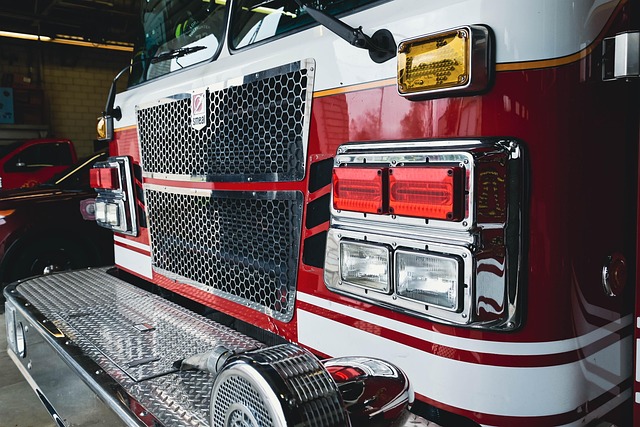
In the dynamic city of Denver, unexpected emergencies can arise at any time, from severe weather events to plumbing disasters or fire damage. Understanding the critical components of emergency restoration is paramount for homeowners facing these challenges. The process demands a tailored approach, recognizing that each incident leaves its unique mark on properties. For instance, smoke damage from a kitchen fire necessitates specialized techniques beyond basic cleaning, such as deodorization and decontaminating affected areas to prevent health risks. Similarly, Denver mold removal experts play a vital role in mitigating mold growth after water intrusion, ensuring the safety and health of residents.
Denver’s climate further complicates restoration efforts. The city’s cold winters often lead to frozen pipes, causing extensive water damage that requires prompt attention. Power washing is an essential tool in the restoration arsenal for Denver properties, effectively removing built-up dirt, mold, and mildew following such events. This method, coupled with expert assessment and specialized cleaning solutions, can significantly expedite the recovery process. Homeowners should seek out professionals well-versed in power washing to ensure minimal disruption to their lives while restoring their homes to pre-emergency conditions.
Another unique consideration for Denver residents is fire restoration. The city’s proximity to natural wildfires necessitates preparedness measures. In the aftermath of a fire, smoke damage Restoration Denver services are crucial for not only removing physical debris but also neutralizing residual odors and ensuring structural integrity. Homeowners should familiarize themselves with local resources and guidelines for emergency restoration, enabling them to make informed decisions during stressful situations. Proactive planning, including regular maintenance and up-to-date knowledge of restoration techniques, can significantly facilitate the recovery process following Denver’s diverse range of emergencies.
Immediate Steps After a Disaster: Denver Homeowners Guide
After a disaster strikes, the immediate actions you take can significantly impact the outcome of your home’s restoration. This is especially crucial in Denver, where extreme weather events are increasingly common. When faced with water damage, fires, or floods, time is of the essence. Homeowners must act swiftly to prevent further damage and ensure their safety. The first 24-48 hours following a disaster are critical, and this guide offers essential steps for Denver residents navigating these challenging situations.
Upon realizing your home has suffered damage, prioritize your well-being and that of your family. Evacuate if necessary, especially during floods or severe fires. Contact emergency services if there’s a safety hazard. Once the immediate threat is mitigated, begin documenting the loss by taking photos and making a detailed inventory of damaged property. This step is vital for insurance claims. For instance, in cases of commercial water damage Denver businesses often face lengthy restoration processes due to inadequate initial documentation.
The next crucial phase involves containing and mitigating the damage. Turn off utility services if there’s flooding or water intrusion to prevent further losses. Do not enter affected areas until it’s safe to do so, as hidden dangers like mold or structural instability could exist. If you’re unsure about safety, consult professionals specializing in emergency restoration Denver has available. They can assess and address issues such as drying out attics Denver residents often require after heavy rains or snowstorms. Prompt action ensures a faster recovery, minimizing the potential for long-term damage.
The Role of Professional Emergency Restoration Services

When facing emergencies like fires, floods, or sewage backups, the role of professional Emergency Restoration Denver services cannot be overstated. These specialists are equipped to handle complex situations that typical homeowners might struggle with due to lack of expertise and specialized tools. For instance, fire and smoke damage restoration requires meticulous cleaning to remove hazardous residues, a task best left to pros who understand the potential health risks. Similarly, sewage cleanup Denver professionals swiftly address not only the immediate mess but also decontaminate areas to prevent the spread of diseases, as stagnant water can breed harmful bacteria.
Water damage restoration cost Denver varies depending on the extent of the issue. Minor leaks might require simple repairs and drying out, while severe flooding necessitates extensive dewatering, mold prevention, and structural repairs. According to a recent study, water damage is one of the top reasons for home insurance claims, highlighting the common occurrence and significant financial impact. Professionals can assess the situation accurately, providing homeowners with transparent quotes based on the work needed.
While DIY methods may seem appealing for cost-saving purposes, emergency restoration jobs often require specialized equipment and knowledge to prevent further damage or health risks. For example, water extraction needs powerful pumps to remove standing water quickly, while drying processes must adhere to strict standards to avoid mold growth. Professional services come with certified experts who follow industry best practices, ensuring a thorough restoration that meets safety regulations. Homeowners should prioritize peace of mind and the preservation of their property by enlisting the help of established Emergency Restoration Denver companies.
Long-Term Care and Prevention Strategies for Denver Homes

In the dynamic landscape of Denver, where weather patterns can shift swiftly, emergency restoration is not just a service—it’s a necessity. Long-term care and prevention strategies are pivotal for homeowners aiming to safeguard their investments against unpredictable events, such as floods, wildfires, and severe storms. Emergency remediation services Colorado offers play a crucial role in mitigating damage and ensuring residential disaster restoration that meets the highest standards.
One of the most effective preventive measures is regular inspection and maintenance, especially in areas prone to extreme weather conditions. For instance, insulation removal after flood events is a critical step often overlooked but can significantly reduce the risk of mold growth and structural damage. Professional emergency restoration companies in Denver employ advanced techniques and equipment to extract water efficiently, preventing long-term complications. Regular inspections also allow for early detection of issues like leaky pipes or faulty wiring, which are common causes of unexpected disasters.
Beyond immediate response, investing in quality construction materials and home systems can substantially enhance resilience against natural calamities. Upgrading to flood-resistant windows, for example, can provide an additional layer of protection during heavy rainfall. Similarly, implementing state-of-the-art fire prevention systems not only safeguards lives but also minimizes property damage. Homeowners should collaborate closely with reputable emergency restoration Denver providers who offer tailored advice and services aligned with the region’s specific challenges.
Proactive measures like these ensure that Denver homes are better equipped to withstand unforeseen events, leading to faster recovery times and reduced financial burdens associated with extensive repairs. By embracing long-term care strategies, homeowners can transform their properties into safe havens, showcasing not just resilience but also a profound respect for the dynamic yet breathtaking landscape of Colorado.
In summary, homeowners in Denver face unique challenges due to the city’s unpredictable climate and potential disasters. The article has equipped readers with a comprehensive understanding of emergency restoration needs specific to Denver, emphasizing immediate action after a disaster and the crucial role of professional services. Key takeaways include prioritizing safety, documenting damage, and contacting insurance providers promptly. Additionally, long-term care strategies such as regular maintenance and prevention tactics like flood protection measures are vital for safeguarding homes. By embracing these Emergency Restoration Denver tips, homeowners can navigate emergencies effectively, restore their properties, and foster resilience within their communities.