

In a flooded carpet Emergency Flood Restoration Denver scenario, immediate action is key. The process involves containment, water extraction, drying to 50% humidity, deodorization, and biohazard cleanup. Professionals use specialized equipment and follow best practices set by organizations like IICRC. Prompt action prevents mold growth, with initial steps focusing on stopping water sources, extracting water, and thoroughly drying areas below 60% humidity. Discarding contaminated materials ensures health safety. Emergency Flood Restoration Denver experts execute these steps for effective recovery, minimizing damage and ensuring a safe living environment.
In the face of sudden floods, timely action is paramount to salvage carpets in Denver homes and businesses. Emergency Flood Restoration Denver has emerged as a critical service, recognizing the delicate nature of water damage and its potential for extensive carpet deterioration. This article delves into effective methods for flooded carpet cleaning, equipping readers with valuable insights to navigate this challenging situation effectively. We’ll explore proven strategies from industry experts, underscoring the importance of swift action, specialized equipment, and meticulous restoration techniques in Denver’s competitive market.
- Understanding Emergency Flood Restoration Denver Process
- Immediate Actions After a Flood: Denver Guidelines
- Advanced Carpet Cleaning Techniques for Optimal Results
- Preventing Mold Growth: Post-Flood Care Tips Denver
Understanding Emergency Flood Restoration Denver Process

When facing a flooded carpet situation in Denver, understanding the Emergency Flood Restoration Denver process is paramount for minimizing damage and ensuring effective recovery. This involves a multi-step approach that includes immediate containment, water extraction, drying, and deodorization. Professional emergency flood restoration services in Denver adhere to these standards, employing specialized equipment like high-efficiency vacuums and dehumidifiers to expedite the drying process and prevent mold growth.
The initial step focuses on stopping the water source, such as turning off the main valve for plumbing lines if a burst pipe is responsible. Then, technicians assess the extent of damage and begin extracting standing water using powerful pumps. This critical phase not only reduces immediate harm but also minimizes secondary damage caused by water saturation. Following extraction, comprehensive drying begins to lower humidity levels below 50%—a key threshold to inhibit mold growth and other health hazards.
Choosing a Denver flood restoration pro involves verifying their certification from recognized organizations like the Institute of Inspection, Cleaning and Restoration Certification (IICRC). This ensures they follow industry best practices, including the use of advanced drying technologies and environmentally friendly cleaning solutions. Additionally, checking client reviews and asking for references can provide insights into their reputation and service quality in the Disaster Cleanup and Restoration Denver market. Remember, a well-restored carpet not only looks clean but also feels safe, ensuring your living or working space is free from potential health risks associated with water damage.
Immediate Actions After a Flood: Denver Guidelines
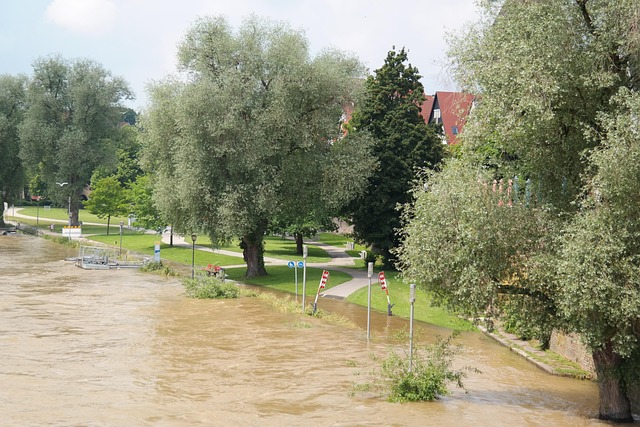
In the chaotic aftermath of a flood, immediate and effective action is crucial for minimizing damage and ensuring a swift recovery. For Denver residents facing this emergency, understanding the critical initial steps in flood restoration is paramount. The first 24 to 48 hours are a race against time, where efficient water extraction and proper disaster cleanup and restoration techniques can save not just property but also personal memories and sentimental items.
The primary goal during this period is to stop the water from causing further destruction. Emergency Flood Restoration Denver professionals advocate for quick action, often advising residents to begin by shutting off the main water supply to prevent continuous flooding. Once this is secured, efficient emergency water extraction becomes the priority. High-powered pumps and advanced drying techniques are employed to remove standing water swiftly, minimizing the risk of mold growth and structural damage. For example, in recent years, Denver has seen successful disaster cleanup and restoration efforts where prompt action reduced property losses significantly due to efficient water extraction methods.
Biohazard cleanup is another critical aspect that cannot be overlooked, especially with potential contamination from floodwaters. Standing water can harbor harmful bacteria and pathogens, making it a health risk. Professional teams in Biohazard Cleanup Denver are trained to handle such situations, ensuring safe removal of contaminated materials. This step is essential for the well-being of residents and prevents the spread of diseases during the recovery process. Efficient emergency water extraction and biohazard cleanup, when executed promptly, set the stage for effective flood restoration, transforming a disastrous situation into a manageable one for Denver homes and businesses alike.
Advanced Carpet Cleaning Techniques for Optimal Results

When faced with a flooded carpet in Denver, prompt action is crucial for optimal restoration. Emergency Flood Restoration Denver specialists employ advanced techniques to handle water damage effectively. The process begins with immediate containment to prevent further spread of contaminants. This involves setting up barriers and extracting standing water using specialized equipment like powerful vacuums and hydro-extractors.
Beyond initial water removal, deep cleaning is essential. Advanced methods include hot water extraction, where high-pressure hot water and detergent solutions are pushed into the carpet fibers to loosen and remove deeply embedded dirt and moisture. This technique ensures thorough cleaning while minimizing damage to the carpet backing and fiber structure. For severe cases or biohazard cleanup in Denver, advanced techniques like enzymatic treatment may be employed. Enzymes break down organic matter, such as mold spores or bacteria, that often accompany floodwater. This is particularly important during Biohazard Cleanup Denver events where a calm, professional approach ensures safety for residents and cleaners alike.
Water Damage Restoration Denver is not just about cleaning; it involves meticulous drying to prevent mold growth. Professional restorers use dehumidifiers and air movers to evaporate residual moisture. This step is critical, as prolonged dampness can lead to significant structural damage and health risks. Once dried, some methods employ low-moisture or no-moisture foam to further clean and deodorize the carpet. These advanced techniques ensure not only visual restoration but also the elimination of unseen contaminants, ensuring a safe and healthy environment for Denver residents post-flood. Efficient handling of insurance claims is another advantage when engaging professional Emergency Flood Restoration Denver services, who can guide policyholders through the process and ensure thorough documentation for timely reimbursement.
Preventing Mold Growth: Post-Flood Care Tips Denver

After a flood, preventing mold growth is crucial for maintaining a healthy environment and safeguarding your property. In Denver, where emergency flood restoration services are readily available from reliable experts like those at Crime Scene Cleanup Denver, a meticulous post-flood care regimen is essential. The first 24 to 48 hours after a flood are critical; immediate action can prevent mold growth by halting the moisture cycle that feeds it.
Denver’s climate, characterized by high humidity and warm temperatures, creates an ideal environment for mold to flourish. Without proper intervention, even small amounts of standing water can lead to significant mold issues within days. Denver flood restoration: a step-by-step process involves several critical stages. First, address any visible water leaks or sources of moisture. Next, remove as much standing water as possible using pumps and absorbents. Following this, thoroughly dry the affected areas using industrial drying equipment to reduce humidity levels below 60%.
Once the area is dry, a thorough cleaning with antimicrobial solutions helps eliminate existing mold spores and prevents future growth. It’s crucial to dispose of any contaminated materials, such as carpeting or insulation, that cannot be cleaned and dried adequately. For instance, data from the Environmental Protection Agency (EPA) highlights that even after drying, some materials may retain moisture for extended periods, posing a risk for mold development if not properly disposed of. Relying on Denver’s reliable flood restoration experts ensures these steps are executed correctly, minimizing damage and health risks associated with mold exposure.
In addressing the urgent need for Emergency Flood Restoration Denver, this article offers a comprehensive guide to navigating the aftermath of flooding. Key insights include immediate action steps, such as turning off utilities and removing water, along with advanced carpet cleaning techniques to ensure optimal results. Understanding the importance of mold prevention post-flood is crucial, underscoring the necessity for proper ventilation and quick drying. By following these detailed guidelines, residents can effectively restore their carpets and homes, emphasizing the value of swift and professional Emergency Flood Restoration Denver services in mitigating damage and ensuring a healthier living environment.