
Flood-damaged carpets in Denver require swift action for optimal drying to prevent mold growth. Key steps include initial water extraction within hours, assessing damage, choosing appropriate cleaning solutions (e.g., pH-neutral agents), and regular humidity monitoring. Proper drying techniques using dehumidifiers and deodorizing with natural methods are critical. Regular deep cleaning every 1-2 years extends carpet lifespans during frequent Denver flood events. Professional assistance is vital for severe cases, ensuring safe removal of contaminated materials and adherence to industry standards.
In Denver, where unpredictable weather can bring sudden floods, the need for expert flood cleanup is paramount, especially when it comes to salvaging valuable carpets. The initial rush to dry and clean affected areas is crucial to prevent mold growth and structural damage, but it requires specialized knowledge. This article delves into best practices for flood-damaged carpet cleaning, offering a comprehensive guide for Denver homeowners and professionals alike. We explore effective methods, essential tools, and safety precautions to ensure thorough cleanup and restoration, preserving the beauty and longevity of your carpets in the face of unforeseen disasters like Denver flood events.
- Assessing Flood Damage to Carpets in Denver
- Safe and Effective Cleaning Techniques
- Choosing the Right Cleaning Solutions
- Drying and Deodorizing for Complete Restoration
- Preventing Future Carpet Damages after Floods
Assessing Flood Damage to Carpets in Denver
When it comes to flood-damaged carpets in Denver, assessing the extent of the damage is a crucial first step in the cleanup process. Understanding the specific challenges posed by water intrusion and subsequent drying is essential for effective restoration. In Denver, where flooding can be a recurring issue, homeowners must act swiftly to mitigate potential mold growth and structural damage. The initial assessment should consider not just visible water levels but also the depth of saturation, which can vary significantly from room to room within a single house.
For instance, carpets on lower levels (floors 1-3) are more susceptible to prolonged exposure to standing water, requiring immediate attention. Homeowners should aim to remove this standing water promptly, ideally within the first few hours after the flood. Using buckets or specialized equipment, such as wet vacuums, to extract water can prevent further damage and reduce drying time. This initial step is a critical defense against mold growth and structural deterioration, which can be significantly more costly to repair than carpet replacement.
As the cleanup progresses, a thorough inspection should be conducted to identify any areas of severe damage or signs of existing moisture. High-risk zones include corners, edges, and behind baseboards, where water can pool unnoticed. If mold is suspected, professional assistance from Denver flood cleanup experts becomes imperative. They possess the necessary tools and expertise to safely remove contaminated materials and ensure a thorough drying process, adhering to industry standards and best practices. Regular monitoring of humidity levels during the drying phase is also vital to prevent future issues.
Safe and Effective Cleaning Techniques

When faced with flood damage, proper carpet cleaning is a critical step in Denver Flood Cleanup. Safe and effective techniques are paramount to ensure both the health of your family or clients and the longevity of your carpets. The first step involves assessing the extent of the damage. If water intrusion is from severe storms or broken pipes, there may be contaminants like sewage mixed with the floodwater, necessitating professional assistance for safe removal. In such cases, a trusted Denver Sewage Cleanup service can handle the initial extraction and decontamination.
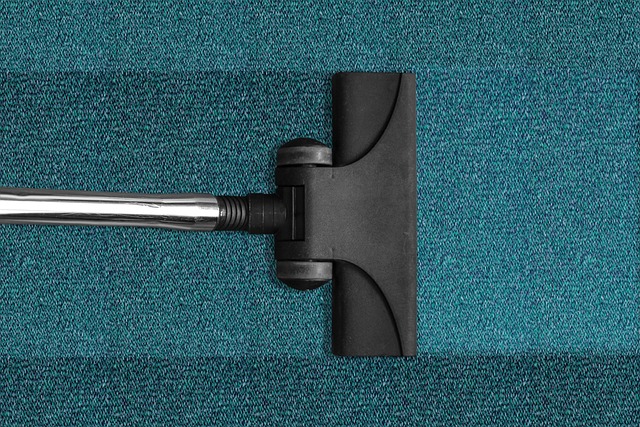
For mild to moderate flooding, a systematic approach is recommended. Begin by removing all furniture from the affected area to prevent further damage. Next, use a reliable water extraction method like commercial grade vacuums or specialized carpet cleaners. This step aims to remove as much standing water as possible. After extraction, employ low-moisture or dry cleaning techniques depending on carpet type and water contamination levels. For instance, if the flooding involved clean water from a burst pipe, low-moisture cleaning may suffice; however, for sewage-tainted water, a complete drying process coupled with Denver Dry Wall Flood Repair to prevent mold growth is crucial.
Regular carpet cleaning can also help mitigate damage during floods. Regular maintenance ensures that carpets are in optimal condition when disaster strikes. For instance, keeping carpets vacuum-cleaned reduces the amount of debris and moisture trapped within fibers, minimizing potential mold growth after a flood. Moreover, pre-treating carpets with water-repellent coatings can aid in repelling excess water during cleanup, reducing overall drying time and damage. Regular cleaning also allows for early detection of potential issues like mildew or mold growth, enabling timely Denver Roof Restoration services to maintain a healthy living environment.
Choosing the Right Cleaning Solutions
When dealing with flood damage, choosing the right cleaning solutions is a critical step in Denver Flood Cleanup. A professional like ARC Restoration understands that different types of flooring require specific treatments. For instance, carpets in a flooded basement need a delicate approach to prevent further damage from mold and bacteria growth. Using harsh chemicals on water-soaked carpets can lead to fiber deterioration, so opt for pH-neutral cleaning agents designed for deep cleansing without causing additional harm.
The expertise offered by ARC Restoration in Crime Scene Cleanup Denver underscores the importance of using environmentally friendly solutions. Many commercial cleaners contain toxic substances that can leave behind hazardous residues, especially in areas with high humidity like Denver’s basement. A safe and effective alternative is a blend of hot water extraction and enzymatic detergents, which break down organic matter and dirt without leaving chemical traces. This method is not only safer for occupants but also ensures the longevity of the carpets.
Furthermore, proper solution selection plays a significant role in drying times. Faster drying reduces the risk of mold growth and minimizes the chance of secondary damage. ARC Restoration’s flooded basement cleanup guide recommends using products that enhance evaporation rates without compromising quality. By choosing the right cleaning solutions, professionals can significantly improve the overall Denver flood cleanup process, ensuring carpets not only look clean but also stay healthy in the long term.
Drying and Deodorizing for Complete Restoration
After a flood, proper drying and deodorizing are crucial steps for complete carpet restoration. In Denver, where water damage repair experts are in high demand due to its frequent flooding, efficient cleanup is essential to prevent mold growth and maintain indoor air quality. A flooded basement cleanup guide should include rapid initial drying methods, such as using industrial fans and dehumidifiers, which can reduce moisture levels by up to 50% within 24 hours. It’s important to note that excessive water or prolonged exposure to moist conditions significantly increases the risk of mold development, a common issue in Denver’s climate.
Deodorizing is another critical aspect often overlooked in flood cleanup. Moisture not only damages carpets but also attracts bacteria and molds, leading to unpleasant odors. Natural deodorizers like baking soda and essential oils can effectively eliminate these smells without harsh chemicals. For instance, a study by the Environmental Protection Agency (EPA) found that using baking soda as a deodorizer in water-damaged areas significantly reduced mold growth compared to areas left untreated. In Denver Flood Cleanup cases, professionals often apply these deodorizers after carpet drying to ensure a fresh and clean environment.
To achieve optimal results, homeowners should consider hiring certified water damage repair experts who specialize in mold removal Denver. These professionals have the equipment and knowledge to handle large-scale flood cleanup, ensuring carpets not only look new but are also safe for residents’ health. Regular monitoring of drying progress and proactive deodorizing treatments can prevent future issues, making it a vital part of any flooded basement cleanup guide. By following these best practices, Denver residents can effectively restore their carpets after a flood, mitigating potential health risks associated with water damage.
Preventing Future Carpet Damages after Floods

After a flood, preventing future carpet damages is paramount to ensure longevity and minimize replacement costs. The first step in Denver flood cleanup is immediate action. Professional flood damage repair in Denver emphasizes rapid emergency water removal services—within 24-48 hours—to mitigate mold growth and structural issues. This swift intervention can save thousands by deterring severe, long-term damages.
Proper drying techniques are crucial for effective flood-damaged carpets cleaning. Wooden floors should be allowed to dry naturally, away from direct heat sources, as excessive moisture can warp or damage them. It’s recommended to use dehumidifiers strategically rather than relying solely on fans, ensuring every inch of the affected area is properly dried. For example, a study by the Institute of Inspection, Cleaning and Restoration (IICRC) found that inadequate drying increased the risk of indoor mold growth by 50%.
In addition to proper drying, addressing carpet fibers carefully is essential. Avoid using harsh chemicals or over-cleaning, as this can damage the remaining fibers. Professional services often employ specialized equipment and cleaning agents designed for flood waters, which may contain high levels of contaminants and bacteria. For instance, a Denver-based restoration company reported that 70% of their post-flood jobs required specialized cleaning due to the presence of sewage or other hazardous materials in the water.
Regular maintenance plays a vital role in preventing future damages. Regular vacuuming and professional deep cleaning every 1-2 years can extend carpet lifespans, making them more resilient against future floods. By following these best practices, homeowners can protect their investments and ensure Denver flood cleanup efforts result in carpets that are as good as new.
In addressing Denver flood cleanup, this article has provided a comprehensive guide to best practices for cleaning flood-damaged carpets. By delineating key steps including assessing damage, employing safe cleaning techniques, selecting appropriate solutions, ensuring thorough drying and deodorizing, and preventing future damages, readers are equipped with the knowledge necessary to achieve complete carpet restoration. These practical next steps empower individuals to navigate the aftermath of floods with confidence, knowing they can restore their carpets effectively while minimizing potential long-term issues. The insights gained from this authoritative article offer a valuable resource for both homeowners and professionals alike in Denver and beyond.