

Emergency Disaster Restoration Denver is essential for post-disaster recovery, offering expert assessment, water mitigation, structural repairs, and strategic reconstruction. Professional teams ensure accurate budgeting, efficient project management, and effective communication with insurance providers while preventing mold growth, structural issues, and health hazards through advanced techniques and climate-appropriate materials. Immediate action and consultation with Emergency Disaster Restoration Denver professionals are crucial for a faster return to normalcy and a durable, safe home.
In the aftermath of an emergency disaster, restoring one’s home can feel overwhelming. For those in Denver, Emergency Disaster Restoration Denver becomes a vital resource, offering crucial guidance on navigating the intricate process. This comprehensive article delves into DIY tips tailored to post-disaster home restoration, empowering residents to take control and efficiently revive their living spaces. By providing actionable strategies, we aim to enhance resilience and ensure that Denver’s homeowners can effectively manage and recover from such challenging situations.
- Assessing Damage: The First Steps in Denver's Emergency Disaster Restoration
- Structural Integrity: Safeguarding Your Home After a Disaster
- Water Mitigation: Drying Out and Preventing Mold Growth
- Rebuilding Safely: Long-Term Tips for Durable Home Restoration
Assessing Damage: The First Steps in Denver's Emergency Disaster Restoration
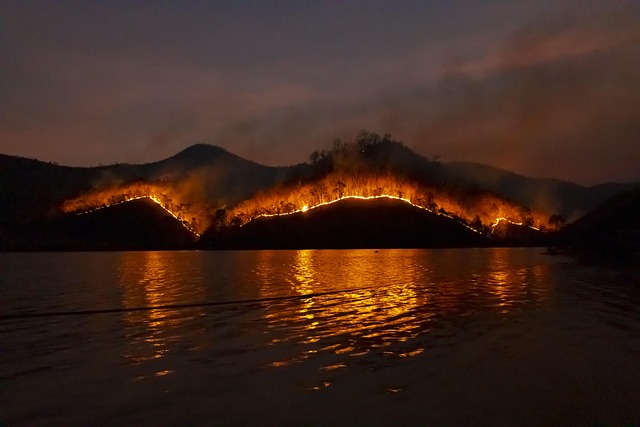
Assessing damage is a critical step in any home disaster recovery process, especially in Denver where emergency disaster restoration is an essential service. After a storm, flood, or fire, homeowners often find themselves overwhelmed, which can make taking the first steps towards recovery feel daunting. In these situations, a well-organized assessment by a professional Denver emergency restoration team can provide much-needed clarity and guidance. The primary goal during this phase is to identify the extent of the damage, prioritize repairs, and establish a safe environment for residents.
The initial assessment involves a thorough inspection of the property, focusing on structural integrity, water damage, fire/smoke exposure, and potential mold growth. For example, in recent years, Denver has experienced an increase in severe weather events, leading to extensive roof damage and interior water intrusion. A skilled team will meticulously document these issues using high-quality photography and detailed reports, ensuring every concern is addressed. This process is crucial as it allows for accurate budgeting, efficient project management, and effective communication between the restoration company and insurance providers.
During this critical phase, homeowners should be educated about the disaster cleanup and restoration Denver residents often face. They should understand the importance of immediate action to prevent further damage and ensure a healthy living environment. For instance, water-damaged homes require prompt drying and decontamination to avoid mold growth, which can pose significant health risks. A reputable Denver emergency restoration team will provide valuable insights into these processes, offering peace of mind during an otherwise stressful time.
Structural Integrity: Safeguarding Your Home After a Disaster
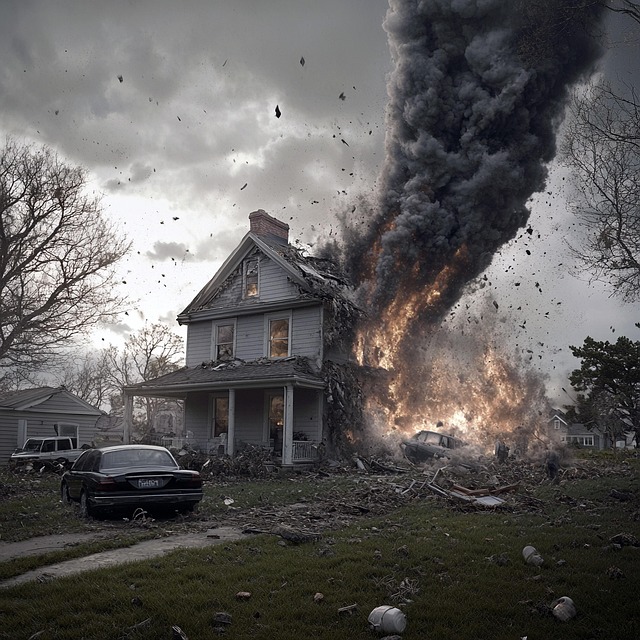
After a disaster strikes, ensuring your home’s structural integrity is paramount for safe and effective restoration. In areas prone to natural disasters like Colorado, where Emergency Disaster Restoration Denver services are in high demand, understanding the fundamentals of structural safety is crucial. The initial assessment should focus on identifying any significant damage to the building’s framework—from roof and walls to foundations. For instance, after floods in Denver, many homes faced substantial water intrusion, leading to not only water damage but also compromising structural elements.
Expert disaster restoration companies in Colorado, such as those offering home disaster recovery solutions, play a vital role here. They employ advanced tools and techniques to inspect hidden areas like attics and crawl spaces, where water or fire damage might have weakened beams and joists. This meticulous process allows for the development of tailored restoration plans. For example, a restoration expert in Denver may recommend structural repairs, including replacing rotten wooden components or reinforcing damaged walls, to ensure the home’s safety and stability.
Restoration after floods or severe weather requires adherence to strict guidelines. Local building codes and regulations exist to maintain structural integrity and prevent future hazards. Homeowners should consult with disaster restoration experts in Colorado to understand these requirements. For instance, in areas prone to flooding, raising essential appliances and electrical systems above the predicted water level can significantly enhance post-disaster recovery. By prioritizing structural integrity, Denver residents can safeguard their homes and ensure a more rapid return to normalcy following a disaster.
Water Mitigation: Drying Out and Preventing Mold Growth
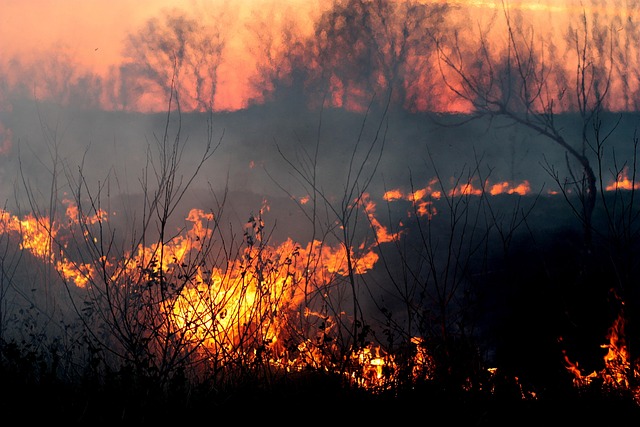
After a disaster, proper water mitigation is critical for both residential and commercial properties in Denver, especially to prevent extensive mold growth. In such situations, immediate action is key; every hour counts when mitigating water damage, as it can significantly impact restoration time and costs. Professional emergency disaster restoration services like those offered in Denver are designed to swiftly respond and implement effective drying techniques. These experts understand the unique challenges posed by Colorado’s climate, including cold temperatures that can slow down evaporation.
A common misconception is that leaving windows open or using box fans is sufficient for drying out a home after a flood or leak. However, this approach often falls short, as it may not adequately remove all moisture, especially from hard-to-reach areas and porous materials like wood and insulation. Professional restorers employ advanced equipment such as air movers and dehumidifiers to expedite the drying process. These tools are strategically placed in various rooms, focusing on high-moisture zones, ensuring every nook and cranny is addressed. For Denver commercial disaster recovery, this involves managing larger-scale losses while minimizing business disruption.
One effective strategy is to divide the affected areas into distinct zones, each with dedicated drying equipment. This method ensures a systematic approach, preventing cross-contamination between rooms. Additionally, restorers may use moisture meters to accurately gauge humidity levels, guiding their decision-making process and ensuring properties reach safe, dry standards. Regular monitoring during the drying phase is essential to avoid costly mold remediation later. By enlisting the help of seasoned professionals in Fire Damage Restoration Denver, property owners can trust that their homes or businesses will be restored efficiently, minimizing potential health risks associated with excess moisture.
Rebuilding Safely: Long-Term Tips for Durable Home Restoration

Rebuilding a home after a disaster is a challenging yet crucial process, requiring meticulous attention to ensure long-term durability and safety. When faced with fire and water damage, as often occurs in Emergency Disaster Restoration Denver, property owners must adopt a strategic approach. Engaging professional water damage restoration experts CO and fire restoration specialists is paramount for effective recovery. These specialists are equipped with the knowledge and technology to mitigate risks and prevent further complications. For instance, delayed or improper restoration can lead to mold growth, structural weakness, and health hazards—issues that can be costly and time-consuming to rectify.
One of the primary considerations in post-disaster home restoration is structural integrity. After a fire, for example, it’s essential to have a thorough inspection to identify damaged or weakened components. This includes assessing floors, walls, roofs, and foundations. In Denver, where harsh winters and frequent storms can exacerbate damage, ensuring these elements are restored to code and reinforced as needed is vital. Water damage restoration experts should employ advanced drying techniques to prevent water seepage and subsequent structural issues. They use specialized equipment like dehumidifiers and air movers to expedite the drying process, minimizing potential long-term damage.
Long-term durability also involves thoughtful material selection and efficient reconstruction methods. Using resilient building materials that meet local climate demands is key. For commercial disaster recovery in Denver, this might include fire-resistant insulation, impact-resistant windows, or water-resistant finishes. Efficient construction practices, such as implementing a continuous membrane during roofing to prevent water infiltration, can significantly enhance a structure’s longevity. Regular maintenance and inspections are also critical components of durable home restoration, ensuring that any emerging issues are promptly addressed before they escalate.
In the wake of a disaster, navigating Emergency Disaster Restoration Denver requires a strategic approach. This article’s key insights equip homeowners with essential tools for post-disaster recovery. Assessing damage is paramount, followed by ensuring structural integrity to safeguard your home. Effective water mitigation techniques are crucial for preventing mold growth and preserving indoor air quality. For long-term resilience, rebuilding safely using durable materials and best practices guarantees a stronger, more resilient residence. By following these DIY tips, Denver residents can take control of their restoration process, restore their homes, and rebuild their lives with confidence.