

Mold Inspection Denver costs vary based on property size, severity of mold, and services required. Professional inspectors handle complex cases like flooded basement Denver and hidden mold, offering peace of mind. Compare DIY vs professional; DIY may miss hidden mold but is cheaper. Common types include Aspergillus, Penicillium, Cladosporium, and Stachybotrys with varying health impacts. Hire professionals for extensive water damage, musty odors, visible mold, or health risks to prevent black mold and save costs.
In Denver, CO, understanding the cost of professional mold inspection is crucial for property owners. This comprehensive guide breaks down the factors influencing pricing, outlines common types of mold and their health impacts, and provides insights on when to engage a pro. Whether you suspect mold growth or are required by a seller, this article equips you with knowledge about mold inspection costs in Denver, ensuring an informed decision.
- Understanding Mold Inspection Costs in Denver
- Factors Affecting Professional Services Pricing
- Common Types of Mold and Their Impacts
- When to Hire a Pro for Mold Inspection
Understanding Mold Inspection Costs in Denver

When considering a Mold Inspection Denver, it’s important to understand that costs can vary based on several factors. The size and extent of the property, the level of suspicion or evidence of mold, and whether there are additional services required all play a role in determining the price. For instance, a basic visual inspection might be relatively inexpensive, while more comprehensive testing and sampling can significantly increase the cost. Denver home buyers should also keep in mind that identifying hidden mold, especially behind walls or under flooring, often necessitates specialized equipment and methods, driving up the denver home buyer’s guide to mold expenses.
Additionally, if your property has experienced water damage, such as from a flooded basement Denver, it increases the complexity of the inspection. These situations can lead to more extensive mold growth that requires specialized knowledge and techniques to detect and assess. Knowing the signs of hidden mold in Denver is crucial for ensuring accurate and thorough inspections. Remember, professional mold inspectors are equipped with the right tools and expertise to navigate these challenges, providing peace of mind during your real estate transactions.
Factors Affecting Professional Services Pricing
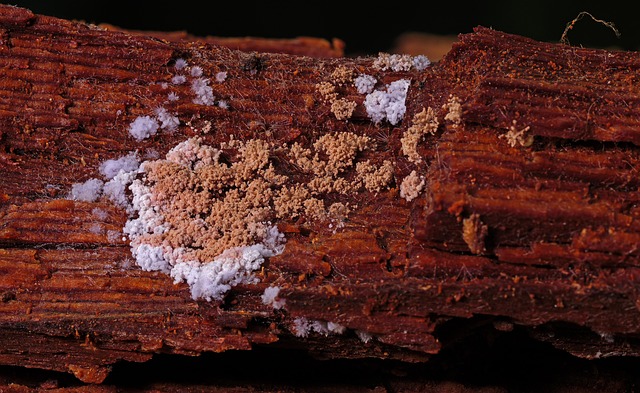
When it comes to professional mold inspection services in Denver, CO, several factors influence the pricing structure. One of the primary considerations is the size and scope of the property being inspected. Larger homes or commercial buildings will typically require more time and resources, thus leading to higher costs. The level of complexity also plays a significant role; properties with hidden mold issues or unusual architectural features may necessitate specialized equipment and techniques, adding to the overall expense.
Another aspect that affects pricing is the extent of the potential mold problem. A minor visible mold growth might only require a simple visual inspection, whereas extensive mold colonization could demand a thorough, time-consuming assessment, including air quality testing and sampling. Moreover, additional services like smoke damage restoration Denver or flooded basement repair Denver might be required after the initial inspection, further complicating the pricing structure. Comparing professional mold testing services with do-it-yourself options is essential for homeowners; while DIY tests can be more affordable, they may not detect hidden mold, leading to potential health risks and costly repairs down the line.
Common Types of Mold and Their Impacts

In any home or building, there are several common types of mold that can grow—from Aspergillus and Penicillium to more specialized varieties like Cladosporium and Stachybotrys. Each has its unique characteristics and potential health impacts. Aspergillus and Penicillium are the most prevalent, often found in damp environments, and can cause allergic reactions, respiratory issues, and even infections in severe cases. Cladosporium, common outdoors but capable of thriving indoors, is known to trigger asthma and allergies. Stachybotrys, sometimes referred to as “black mold,” has been linked to neurological symptoms and other health problems, though these associations are still debated.
Understanding the types of mold and their effects is crucial when considering a Mold Inspection Denver. While some people might opt for do-it-yourself (DIY) testing kits to check for mold, professional help is often required to assess extensive or hidden mold growth. DIY tests can be a good initial step, but they may not capture all the nuances of a mold problem. When is professional help needed? Signs like extensive water damage, musty odors persisting despite drying, visible mold growth in hard-to-reach areas, or health risks from mold exposure—such as severe allergies or respiratory distress—are indicators that it’s time to call in professionals for a thorough Mold Inspection Denver.
When to Hire a Pro for Mold Inspection

Knowing when to hire a professional for mold inspection is crucial for maintaining a healthy living environment in Denver, CO. While some minor mold issues can be addressed through DIY methods, such as cleaning and removing affected materials, extensive or hidden mold growth often requires expert intervention. A professional mold inspector brings specialized equipment and expertise to identify even the subtlest signs of mold, ensuring every corner of your property is thoroughly examined.
Hiring a pro for mold inspection is particularly recommended after renovation projects, as construction activities can inadvertently introduce moisture that fosters mold development. Additionally, if you’ve experienced water damage in your Denver home or commercial space, promptly scheduling an inspection is vital to prevent the growth of toxic black mold and assess any necessary repairs, including the cost of mold repair. Early detection through professional mold inspections not only saves on repair costs but also helps protect your health and the structural integrity of your property from the damaging effects of mold.
When considering professional mold inspection services in Denver, understanding the factors influencing costs is key. From the types of molds present to the size and scope of the inspection, each project is unique. By knowing what to expect, homeowners can make informed decisions regarding their property’s health. Whether it’s a minor concern or a potential mold issue, hiring a qualified professional for a thorough mold inspection in Denver is an essential step towards ensuring a safe and healthy living environment.