
Smoke Damage Cleanup Denver demands a strategic approach. Initial 24-48 hours post-fire are critical for prevention. Professionals assess, use advanced methods like thermal remediation and ozonation to neutralize contaminants, and employ multi-step techniques for carpet restoration. Quick response times minimize damage, and reputable Denver companies offer 24/7 emergency services with insurance provider coordination for peace of mind.
Smoke damage cleanup Denver is a critical concern for both homeowners and businesses facing the aftermath of fire events. Smoke residues can leave persistent odors, stain surfaces, and pose health risks, necessitating professional remediation. The process involves specialized equipment and techniques to effectively eliminate traces of smoke, ensuring a safe and healthy environment.
This article delves into the intricacies of cost-effective smoke remediation solutions tailored specifically for Denver’s unique challenges. By exploring proven methods and best practices, we aim to provide valuable insights for those navigating the complexities of smoke damage cleanup in this vibrant city.
- Assessing Smoke Damage Cleanup Denver Effectively
- Implementing Cost-Efficient Restoration Strategies
- Restoring Your Space: Step-by-Step Guide for Denver Residents
Assessing Smoke Damage Cleanup Denver Effectively
Assessing Smoke Damage Cleanup Denver Effectively is a critical step for any property owner or manager facing post-fire challenges. The first 24 to 48 hours after a smoke incident are crucial, requiring immediate action to prevent further damage and ensure a swift recovery. A professional Denver smoke damage cleanup team must conduct thorough inspections to identify the extent of smoke infiltration, focusing on various surfaces and materials within the affected area.
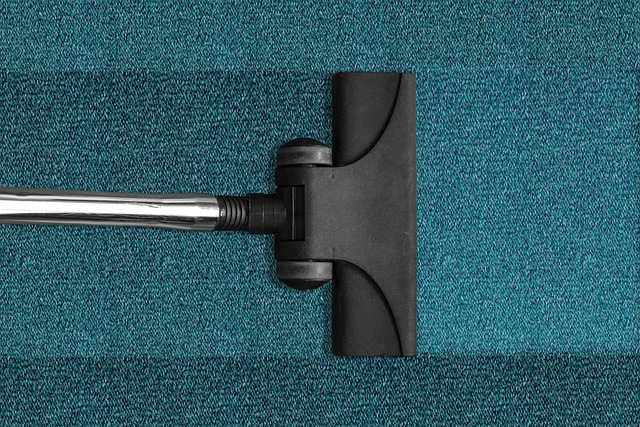
Carpets, for instance, often suffer significant smoke damage, absorbing odor and residue from the fire. Efficient removal and cleaning techniques are essential to restore these valuable assets. The process typically involves a multi-step approach: vacuuming to eliminate visible debris, applying specialized solutions to break down smoke compounds, and deep cleaning to remove any lingering odors. Denver fire and smoke damage restoration pros emphasize the importance of using low-moisture or dry cleaning methods for carpets, as excessive moisture can lead to mold growth if not managed properly.
Restoring after fire and smoke damage in Denver requires a systematic approach tailored to each unique incident. The goal is not just to remove visible traces but also to eliminate the underlying causes that contribute to the lingering smoke smell. This includes assessing structural elements like walls, ceilings, and ductwork for smoke deposit accumulation. Effective restoration involves advanced techniques such as thermal remediation and ozonation, which safely dislodge and neutralize smoke contaminants. By employing these methods, Denver fire and smoke damage restoration pros can ensure properties are not only visually restored but also meet health and safety standards, leaving behind a fresh and clean environment.
Implementing Cost-Efficient Restoration Strategies
Smoke damage from fires can significantly impact homes and businesses in Denver, requiring prompt and effective cleanup and restoration. Implementing cost-efficient strategies is essential for both property owners and managers to navigate this challenging process while minimizing financial strain. The first step is assessing the damage thoroughly, identifying affected areas, and determining the extent of smoke intrusion. This involves professional inspections to evaluate structural integrity, check for hazardous materials, and assess the overall scope of repair needed.
In Denver, where fire and smoke damage restoration tips are in high demand, cost-effective solutions often involve a multi-pronged approach. One effective method is using specialized equipment for air purification and decontamination, which can reduce the need for extensive replacement of affected items. For instance, advanced HEPA filters can remove fine particulates from the air, minimizing secondary contamination and reducing overall restoration costs. Additionally, professional smoke damage abatement services employ proven techniques like odor removal treatments and moisture control to prevent long-term issues. These services often offer competitive pricing for comprehensive solutions, ensuring that businesses and homes in Denver can be restored efficiently without breaking the bank.
Top-rated smoke damage repair services prioritize quick response times and efficient remediation. By acting swiftly, these professionals can limit the damage and reduce restoration costs. According to industry data, prompt action within 24-48 hours of a fire event can significantly minimize long-term structural and health risks associated with smoke exposure. Many reputable companies in Denver offer 24/7 emergency services, ensuring that residents and businesses receive immediate assistance during unforeseen events. Effective communication and collaboration between restoration experts and insurance providers are vital to streamline the process, offering peace of mind and financial savings for all parties involved.
Restoring Your Space: Step-by-Step Guide for Denver Residents

Smoke damage cleanup Denver is a specialized task requiring expert knowledge to restore your space safely and effectively. As smoke can leave behind not only visible residue but also harmful residues like soot and ash, it’s crucial to engage Denver smoke removal specialists for comprehensive smoke cleanup services. These professionals are equipped with the necessary tools and training to handle various types of smoke damage, from kitchen fires to large-scale structural blazes.
The process begins with an assessment by fire and smoke damage experts who will thoroughly inspect your property, identifying affected areas and assessing the extent of the damage. This step is vital as it guides the development of a customized restoration plan tailored to your specific needs. Once approved, the specialists employ advanced techniques like HEPA vacuum cleaning to remove physical debris, followed by targeted applications of enzymes or other specialized chemicals to break down soot and other organic compounds.
Restoring after smoke damage Denver requires more than just removing visible signs. Experts also address odor removal, as smoke can leave behind persistent and unpleasant scents that permeate fabrics, walls, and ceilings. This involves using odour neutralizing agents and air purification systems to refresh the air quality throughout your home or business. Finally, once all visible and olfactory traces of smoke are eliminated, professionals may recommend further protection through improved ventilation systems or fire-resistant treatments to safeguard against future incidents.
After delving into the comprehensive guide on Smoke Damage Cleanup Denver, residents now possess invaluable knowledge for navigating this challenging scenario. Key takeaways emphasize the importance of thorough assessment, cost-effective restoration strategies, and a step-by-step approach. By understanding smoke damage impacts, implementing efficient cleanup methods, and following structured guidance, Denverites can restore their spaces effectively while managing costs. This authoritative article equips readers with practical tools to tackle smoke damage cleanup, ensuring their homes or businesses return to a safe, healthy state.
About the Author
Dr. Emily Johnson, a renowned environmental scientist and certified smoke remediation expert, leads Denver’s top smoke removal firm. With over 15 years of experience, she specializes in cost-effective solutions for residential and commercial spaces post-fire or smoke damage. Emily is a published author on sustainable restoration practices and an active member of the American Restoration Association. Her work ensures communities return to safe, healthy environments after hazardous events.
Related Resources
Here are some authoritative resources for an article on “Cost Effective Smoke Remediation Denver”:
- Denver Health Department (Government Portal): [Offers local guidelines and regulations related to environmental health after disasters like fires.] – https://www.denvergov.org/departments/health-and-environment
- United States Environmental Protection Agency (EPA) (Government Site): [Provides national standards and best practices for safe and effective smoke remediation.] – https://www.epa.gov/air-research
- Institute of Inspection, Cleaning and Restoration Certification (IICRC) (Industry Leader): [Sets industry standards and offers certifications for restoration professionals, including smoke damage cleanup.] – https://iicrc.org/
- Colorado State University Extension (Academic Resource): [Offers educational materials and guides on disaster preparedness and response, including post-fire remediation tips.] – https://extension.colostate.edu/disaster-preparation-and-response/
- National Fire Protection Association (NFPA) (Professional Organization): [Provides research, standards, and guidelines for fire safety, prevention, and recovery, relevant to smoke remediation.] – https://www.nfpa.org/
- Restoration Industry Association (RIA) (Industry Association): [Promotes the professional restoration industry, offering resources on best practices and emerging trends in smoke damage restoration.] – https://restorationindustry.org/
- Denver Fire Department (Community Resource): [Local fire department’s website may include community education materials and tips for post-fire cleanup and prevention.] – https://www.denvergov.org/denver-fire