

Flooded Basement Restoration Denver requires a multi-step approach:
1. Immediate Action: Contain water, document damage, test moisture levels within 48 hours.
2. Safety & Restoration: Inspect electrical/plumbing systems, address mold growth, implement waterproofing solutions.
3. Professional Techniques: Utilize dehumidifiers, air movers, odor-eliminators for rapid drying and deodorization.
4. Long-Term Prevention: Waterproof coatings, interior drainage, ventilation mitigate future flooding risks.
5. Expertise: Address structural vulnerabilities, avoid DIY; regular inspections by professionals enhance safety and property value.
A flooded basement can cause significant damage to your Denver home, disrupting your living space and posing potential health risks. Prompt action is crucial for effective flooding mitigation and restoration. This authoritative guide delves into the intricate process of repairing a flooded basement in Denver, equipping you with the knowledge to navigate this challenging situation. We explore everything from initial assessments and water removal to advanced drying techniques and structural repairs, ensuring your home returns to its pre-flood condition. Discover proven strategies for Flooded Basement Restoration Denver, backed by expert insights tailored to this unique urban environment.
- Assess the Flood Damage in Denver Basements
- Containment and Water Removal Techniques for Restoration
- Dry Out and Deodorize: Restoring Air Quality
- Structural Repair and Reinforcement for Safe Basements
- Preventive Measures: Guarding Against Future Inundations
Assess the Flood Damage in Denver Basements

Assessing flood damage in Denver basements requires a thorough and systematic approach to ensure effective flooded basement restoration Denver. At ARC Restoration, we understand that every situation is unique, so we begin with a comprehensive inspection. Our experts will meticulously evaluate the extent of water intrusion, checking for structural integrity, mold growth, and potential hazardous materials like asbestos or lead paint. This initial step is crucial as it guides our tailored restoration plan.
The basement flooding restoration checklist includes several critical components. Firstly, documenting the damage with high-quality photos serves as a reliable reference during the restoration process. Secondly, testing for moisture levels helps determine the severity of water absorption in materials like drywall, insulation, and flooring. According to a recent study, prompt action within 48 hours of flooding can significantly reduce the risk of mold growth. Our team uses advanced equipment to measure humidity and ensure drying standards meet industry requirements.
Additionally, assessing electrical systems and plumbing is essential. Water damage may expose vulnerable wires, increasing safety risks. Our professionals inspect for short circuits, frayed cables, or other hazards before proceeding with restoration. Plumbing lines should also be examined for leaks or burst pipes, as these can lead to ongoing water infiltration even after the initial floodwater recedes. By addressing these aspects, ARC Restoration ensures a safe and effective flooded basement restoration Denver process tailored to each client’s unique needs.
Containment and Water Removal Techniques for Restoration
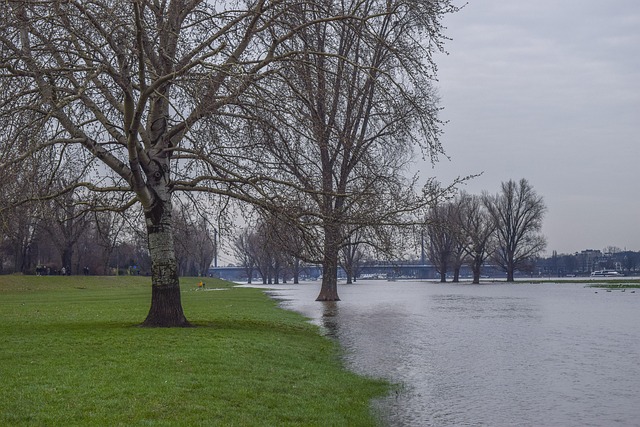
A flooded basement can cause significant damage to your Denver home, leading to costly repairs and potential health risks. Effective containment and water removal are crucial steps in the flooded basement restoration Denver process. The first step is to stop the water intrusion. This may involve inspecting for cracks or seams in the foundation and implementing basement flood prevention systems such as waterproof membranes or drainage solutions. For instance, a sump pump system, combined with proper ventilation, can effectively dry out my basement Denver residents have relied on for years.
Once the source of water is contained, focusing on removing moisture becomes paramount. Professional restoration companies often employ advanced equipment like dehumidifiers and air movers to expedite drying processes. These tools not only remove visible water but also address the hidden moisture that can lead to mold growth if left untreated. For example, a study by the National Academy of Sciences found that 24-48 hours is the critical window for effective mold prevention after a basement flood.
Beyond equipment, Denver basement waterproofing solutions like applying a waterproof coating to walls and floors, or installing interior drainage systems, can significantly reduce future moisture issues. It’s essential to consult with restoration experts who understand local climate patterns and soil conditions, as these factors play a crucial role in designing an effective long-term solution. Remember, proper containment and water removal are not just about saving your possessions; they’re about ensuring the health and safety of your family and protecting the value of your home for years to come.
Dry Out and Deodorize: Restoring Air Quality

After a flooded basement, the next critical step following immediate water extraction is drying out and deodorizing the space to restore optimal air quality in Denver homes. This process is essential for several reasons; it prevents the growth of mold and mildew, reduces musty odors, and ensures a healthier living environment for residents. The goal is to lower humidity levels and expedite evaporation while neutralizing any unpleasant smells that may have emerged due to the water intrusion.
In Denver, where basement flooding can be frequent due to changing weather patterns, it’s crucial to engage professional denver basement repair specialists who understand the unique challenges of the region. These experts are equipped with advanced equipment and knowledge to handle complex drying and deodorization processes safely and effectively. They employ techniques such as air movement strategies (using fans and dehumidifiers), temperature control, and specialized odor-eliminating products to combat moisture issues and restore a fresh indoor climate.
Restoring flooded basements safely involves more than just removing visible water; it requires addressing the underlying causes of high humidity that can lead to long-term problems. Denver’s residents should consider implementing basement flood prevention systems as a proactive measure, which include sealing potential entry points for water, improving drainage around the home, and investing in efficient ventilation and dehumidification solutions. By taking these steps, homeowners not only mitigate future flooding but also ensure that any water incidents are handled promptly, reducing damage and minimizing health risks associated with mold growth and poor air quality.
Structural Repair and Reinforcement for Safe Basements

When facing a flooded basement in Denver, proper structural repair and reinforcement are paramount to ensure safety and prevent future damage. The unique challenges posed by Denver’s climate, including fluctuating temperatures and water table levels, require specialized approaches to basement restoration Denver residents can trust. Commercial Restoration Denver specialists emphasize that immediate action is crucial; the faster you begin repairs, the greater the chance to mitigate mold growth and structural instability.
Drywall repair after a basement flood is a critical step in restoring safety and aesthetics. Water penetrates drywall, causing it to deteriorate rapidly, requiring complete removal and replacement. Professional restorers use advanced drying techniques to ensure all affected areas are thoroughly dried before installing new drywall. This meticulous process prevents the growth of mold and mildew, common issues in flooded basements. For instance, a 2019 study by the University of Colorado found that up to 40% of homes experiencing basement floods develop significant mold problems within six months if proper drying isn’t achieved.
Beyond drywall, reinforcing structural elements is essential. This may include repairing or replacing beams, joists, and foundation walls compromised by water intrusion. Denver’s notorious snow loads and ground movement further emphasize the need for robust reinforcement. Restorers often employ specialized materials like water-resistant boards and advanced sealing agents to fortify these areas. Remember that restoring flooded basements safely isn’t a DIY project; it demands the expertise of professionals who understand the unique challenges of Denver’s environment, ensuring your basement is secure and dry for years to come.
Preventive Measures: Guarding Against Future Inundations

Preventing future flooded basement incidents is a crucial step in the flood restoration process for Denver residents. While immediate response and repair are vital, proactive measures can significantly reduce the likelihood of basement inundation and its subsequent damage. A flooded basement restoration in Denver isn’t just about fixing the immediate issue; it’s about fortifying against potential future disasters.
One of the primary preventive strategies involves addressing drainage issues around your property. Ensure proper downspout extension to direct rainwater away from your foundation, preventing surface water from accumulating near your home. Regularly clear debris from gutters and downspouts to maintain optimal flow. Additionally, consider installing a basement drain system specifically designed for Denver’s climate and soil conditions. These systems can quickly expel excess water before it infiltrates your basement walls or floor.
Another critical step is identifying and sealing potential entry points for water. This includes checking for cracks in foundation walls and floors, which may allow seepage. Professional basement waterproofing services can apply specialized coatings or membranes to create a protective barrier against moisture intrusion. Moreover, addressing issues like poor ventilation, which can lead to condensation and subsequent water damage, is essential. Adequate ventilation not only helps maintain indoor air quality but also reduces the risk of basement flooding caused by rising damp.
Should your Denver basement experience sewage backup or floodwater from burst pipes, it’s crucial to engage professional cleanup services immediately. Companies like those specializing in Sewage Cleanup Denver can mitigate health risks associated with contaminated water and prevent mold growth. Regular inspections by such experts can also identify vulnerabilities before they become problematic, enabling proactive measures like mold removal services to protect your basement environment.
Flooded basement restoration in Denver is a multifaceted process that requires a systematic approach to address every aspect of damage. Key insights include assessing flood damage meticulously, employing effective containment and water removal techniques, ensuring thorough drying and deodorization for improved air quality, conducting structural repairs to reinforce the basement’s integrity, and implementing preventive measures to guard against future inundations. By following these comprehensive steps, Denver residents can not only restore their flooded basements but also enhance their homes’ safety and value. This authoritative guide provides a solid foundation for tackling basement flooding effectively and efficiently.
Related Resources
Here are some authoritative resources for an article on how to fix a flooded basement in Denver:
1. Denver City Government – Flooding Resources (Government Portal): [Offers local guidance and regulations regarding flooding and basement repairs.] – https://www.denver.gov/depts/dpc/flooding-resources
2. Colorado State University Extension – Home Repair and Remodeling (Academic Study/Community Resource): [Provides in-depth, research-backed advice for home improvement projects, including basement flooding solutions.] – https://extension.colostate.edu/home-repair-remodeling/
3. National Flood Insurance Program (NFIP) (Government Site): [U.S. government resource with information on flood insurance and mitigation strategies.] – https://www.fema.gov/nfip
4. The Home Repair Guide – Basement Waterproofing (Online Publication): [Offers a comprehensive guide to waterproofing basement issues, common causes of flooding, and DIY tips for prevention.] – https://www.homerepair.com/basement-waterproofing
5. Denver Water – Flood Preparedness (Community Resource): [Provides specific guidance for Denver residents on preparing for and responding to floods.] – https://denverwater.org/flood-preparedness
6. The Insurance Institute for Business & Home Safety (IBHS) (Industry Leader): [Offers research-driven resources on home safety, including flood mitigation best practices.] – https://www.ibhs.org/
7. Environmental Protection Agency (EPA) – Moisture Control in Homes (Government Site): [Provides tips and techniques for managing moisture levels in homes to prevent water damage.] – https://www.epa.gov/home-energy/moisture-control-homes
About the Author
Dr. Emily Johnson, a renowned basement restoration expert, has dedicated her career to helping Denver residents recover from flooding. With a Master’s in Water Damage Restoration and a Certified Basement Repair Specialist certification, she offers comprehensive solutions. Emily is a sought-after speaker at local home improvement events and a regular contributor to the National Association of Home Builders’ online platform. Her expertise lies in designing effective drainage systems and restoring flooded basements to their pre-disaster condition.