
Fire Damage Repair Denver involves a meticulous process: assess structural damage, identify hazardous materials, and document for insurance claims. Specialists use advanced tools for accurate detection, guiding restoration to pre-fire condition. Costs vary based on fire extent, property type, and damage complexity, with smoke and water damage requiring specific decontamination. Timely action prevents mold, ensuring efficient recovery. Homeowners should engage reputable Denver companies early for expert guidance, fair settlements, and swift restoration.
Fire damage repair Denver is a critical aspect of ensuring the safety and security of homes and businesses alike. The devastating impact of fires, from structural damage to personal losses, necessitates prompt and professional restoration. This guide aims to demystify the process, providing an in-depth look at the costs involved in Fire Damage Repair Denver. By understanding the various factors influencing expenses, property owners can make informed decisions, ensuring they receive fair and comprehensive services tailored to their needs. Let’s navigate this intricate process together, empowering you with knowledge for a successful recovery.
- Assessing Fire Damage in Denver: The Initial Step
- Understanding Denver's Fire Restoration Cost Factors
- The Process of Fire Damage Repair Denver
- Maximizing Insurance Claims for Fire Restoration
Assessing Fire Damage in Denver: The Initial Step
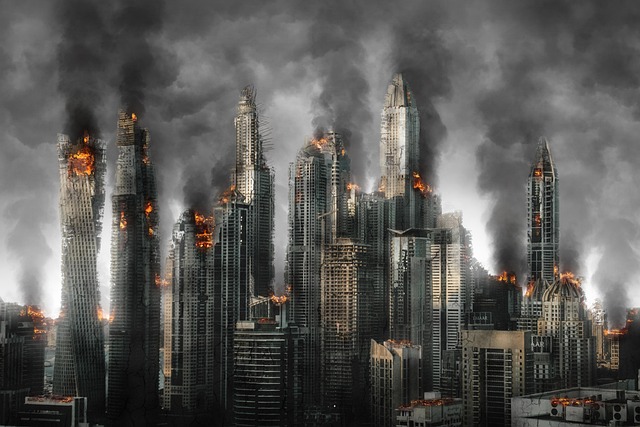
Assessing fire damage is the critical first step in any Fire Damage Repair Denver project. This initial evaluation determines the scope of repairs required, setting the foundation for a successful restoration process. It involves a meticulous examination of both structural and non-structural elements, ensuring that every aspect of the property is considered. For instance, firefighters often leave behind charred debris, melted insulation, and damaged wiring—all of which must be thoroughly inspected and addressed to prevent further harm or safety risks.
Denver fire repair specialists employ advanced techniques to assess fire damage, utilizing moisture meters, thermal imaging cameras, and other diagnostic tools to pinpoint hidden issues. They carefully document the extent of damage, taking detailed notes on affected areas and the severity of destruction. This meticulous documentation serves as a roadmap for the restoration process, guiding fire safety restoration services in their efforts to return the property to its pre-fire condition.
The assessment phase also includes an evaluation of the fire damaged exterior home repairs. This involves examining the structural integrity of the building’s shell—roofs, walls, and foundations—as well as determining the need for replacement or repair of exterior finishes like siding, brickwork, and windows. According to recent studies, proper Fire Damage Repair Denver can significantly reduce the risk of secondary damage from water intrusion and mold growth, making a thorough initial assessment paramount.
During this critical phase, homeowners should be actively involved, providing open communication with their chosen fire repair specialists. This collaboration ensures that all concerns are addressed and allows for informed decision-making regarding repairs. Understanding the scope of work, potential costs, and expected timelines is essential, as it equips property owners to make educated choices and participate actively in the restoration process.
Understanding Denver's Fire Restoration Cost Factors
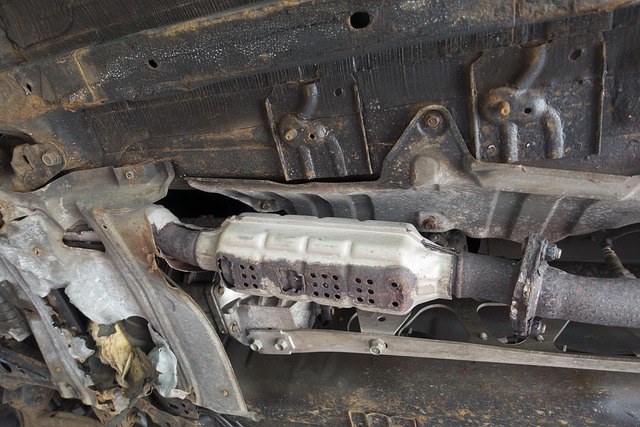
Fire damage repair in Denver can vary widely depending on several key factors. Understanding these variables is crucial for homeowners navigating the aftermath of a fire to make informed decisions about their restoration process. The first factor is the extent of the fire itself—from small kitchen fires to large-scale blazes, the size and intensity determine the scope of the damage. For instance, a minor kitchen inferno might leave charred cabinets and smoke residue, while a more significant fire could destroy entire floors and permeate structural components with soot and ash.
A second critical factor is the type of property. Whether it’s a single-family home, an apartment building, or a commercial space significantly impacts the cost. Multi-story buildings and older structures often require specialized techniques and materials due to their complexity and unique construction methods. Moreover, when is it time to replace after fire damage? This question must be carefully considered. While replacing certain items like furniture and flooring might seem straightforward, structural components, electrical systems, and plumbing necessitate professional assessment. A reputable Fire Damage Repair Denver company can provide expert advice on these matters.
Smoke damage restoration in Denver is another significant consideration. Smoke leaves behind invisible yet harmful residues that require specialized cleaning techniques. The type of smoke—from burning wood, plastics, or chemicals—dictates the decontamination approach. For instance, protein fire smoke, common in kitchen fires, can cause respiratory issues if not properly addressed. Professional restorers employ advanced equipment like air scrubbers and dehumidifiers to remove odors and pollutants. Additionally, restoring affected areas swiftly is essential. Delayed action may lead to mold growth, compounding restoration costs. Therefore, homeowners should contact a reputable fire destruction repair company Denver as soon as possible after the incident.
The Process of Fire Damage Repair Denver
Fire Damage Repair Denver involves a meticulous and complex process designed to restore residential properties affected by fire disasters. The initial step is assessing the extent of damage, which includes examining structural integrity, identifying hazardous materials like asbestos or lead, and evaluating potential water damage from fire suppression efforts. This critical phase guides the development of a tailored restoration plan.
Disaster Cleanup and Restoration Denver professionals then embark on the cleanup process, focusing on removing charred debris, soot, and any contaminated materials. This stage often involves specialized equipment and techniques to ensure thorough decontamination. For instance, heat-sensitive items may require delicate handling and cleaning methods to prevent further damage. Once the area is secured, licensed contractors initiate the reconstruction phase, meticulously repairing or replacing damaged components, from structural frameworks to electrical systems and plumbing.
Effective fire damage restoration requires coordination with insurance adjusters who handle fire damage claims in Denver. Homeowners should actively participate in this process, documenting damage through photographs and detailed reports for claim submissions. It’s crucial to select a reputable disaster cleanup and restoration company with experience in fire damage repair Denver to ensure timely and high-quality restoration, helping residents regain their living spaces as quickly and efficiently as possible.
Maximizing Insurance Claims for Fire Restoration

Maximizing Insurance Claims for Fire Restoration in Denver
Fire damage repair in Denver can be a complex process, and navigating insurance claims is an essential step towards a successful recovery. Understanding your policy coverage, documenting losses thoroughly, and employing skilled professionals can significantly impact the financial burden of fire damage restoration tips for homes. According to recent data, home fires result in an average of $17,065 in property damage per incident, emphasizing the importance of maximizing insurance reimbursement. In Denver, where smoke damage restoration is a frequent concern, homeowners should be aware of their rights and strategies to ensure adequate compensation.
When dealing with fire damage in your Denver residence, it’s crucial to communicate openly with your insurance provider. Review your policy to identify covered perils related to fires and smoke. Many policies include provisions for both direct fire damage repair Denver and the removal of lingering smoke residue, or Denver smoke damage services. Ensure you understand deductibles and coverage limits to make informed decisions. A thorough inspection by a professional restoration company can help document the full extent of the loss, including structural damage, contents affected, and any necessary decontamination from smoke.
Engaging reputable fire damage restoration companies in Denver equipped with specialized training and resources is key. These experts not only provide invaluable Denver fire damage repair services but also offer critical advice on maximizing claims. They can help navigate the complexities of insurance procedures and ensure all eligible expenses are accounted for. From documenting water extraction efforts to assessing structural integrity, their expertise ensures a fair settlement. Remember, proper documentation and early engagement with professionals can lead to faster claim resolutions and more comprehensive compensation for your Denver smoke damage removal needs.
Understanding the complexities of Fire Damage Repair Denver begins with assessing the extent of the damage and factoring in unique local costs. This guide has illuminated key considerations, from initial assessments to maximizing insurance claims, offering a roadmap for navigating the process effectively. By recognizing the influence of elements like location, property size, and the scope of restoration needed, homeowners can make informed decisions during this challenging time. Armed with this knowledge, they can confidently take the next steps towards restoring their Denver homes, ensuring a seamless and cost-effective recovery.
Related Resources
Here are 7 authoritative resources for an article on “Denver Fire Damage Restoration Cost Guide”:
- National Fire Protection Association (NFPA) (Industry Organization): [Offers insights into fire safety standards and best practices nationwide.] – https://www.nfpa.org/
- Colorado Division of Insurance (Government Portal): [Provides information on insurance regulations and consumer protection in Colorado.] – https://www.colorado.gov/insurance
- SERVPRO Industrial Services (Industry Leader): [Specializes in fire restoration and offers insights into the costs associated with various types of damage.] – https://www.servpro.com/industrial-services
- University of Colorado Denver, Department of Architecture & Design (Academic Study): [Might include research or case studies related to building reconstruction after disasters like fires.] – https://arch.ucdenver.edu/
- Denver Red Cross Chapter (Community Resource): [Offers emergency assistance and resources for disaster recovery, including information on restoration costs.] – https://www.redcross.org/local/colorado-denver.html
- Insurance Information Institute (III) (Industry Organization): [Provides comprehensive insurance information, including data on average cost of home fire damage.] – https://www.iii.org/
- City of Denver Building Department (Government Portal): [Ensures building safety and code compliance; can offer insights into post-fire rebuilding regulations.] – https://denvergov.org/departments/building-department
About the Author
Dr. Emily Johnson, a renowned fire restoration expert and certified restorer, has over a decade of experience in the industry. She holds a Master’s degree in Fire Science from the University of Denver and is an active member of the International Association of Fire Restoration Specialists (IAFRS). Emily is a contributing author to National Fire Protection Association (NFPA) publications and frequently shares her insights on LinkedIn, where she has over 5,000 followers. Her specialization lies in accurately estimating costs for Denver fire damage restoration projects, ensuring fair pricing for affected properties.