

Denver Flood Damage Restoration requires a systematic approach:
1. Inspection: Document water levels, sources, and structural integrity.
2. Water Extraction: Use advanced tools like moisture meters and powerful pumps to remove standing water quickly.
3. Drying Techniques: Employ professional-grade dehumidifiers and air movers for swift drying, preventing mold growth.
4. Swift Action: Act within 24-48 hours to minimize long-term repairs and structural damage.
5. Sanitization: Implement advanced techniques like anti-microbial treatments for thorough decontamination.
6. Restoration Steps: Include structural inspections, comprehensive repairs, and potential remodeling.
7. Long-Term Protection: Install drainage systems, flood barriers, and disaster preparedness plans.
8. Cost Management: Engage reputable contractors with expertise in Denver's unique challenges for effective restoration and cost optimization.
In the vibrant city of Denver, commercial property flood damage is a significant concern, often resulting in substantial disruption and financial loss. The rapid recovery of these spaces is crucial for business continuity and the well-being of the local economy. This article delves into effective Denver flood damage restoration solutions, providing an authoritative guide to navigating this challenging scenario. We explore comprehensive strategies, from initial assessment to complete rehabilitation, ensuring properties return to peak condition. Our expertise guarantees a successful recovery process, minimizing downtime and maximizing business resilience in the face of unforeseen floods.
- Assessing Denver Flood Damage: Initial Steps
- Water Extraction & Drying Techniques for Commercial Spaces
- Restoring Structural Integrity After Denver Floods
- Content Cleaning & Disinfection in Post-Flood Environments
- Reinstating Business Operations: Long-Term Recovery Strategies
Assessing Denver Flood Damage: Initial Steps
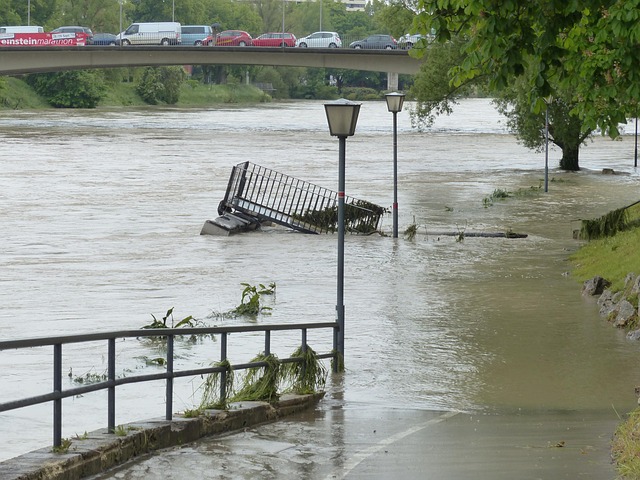
Denver flood damage restoration is a complex process that requires expert knowledge and specialized equipment. Assessing Denver flood damage, particularly in commercial properties, demands a systematic approach to ensure effective recovery and minimize business interruption. The initial steps are critical, focusing on water removal from carpet and drying out flooded basements, as these actions significantly impact the overall restoration outcome.
Upon arrival at the affected site, professionals should conduct a thorough inspection, documenting every detail of the Denver flood damage. This includes assessing water levels, identifying sources, and evaluating structural integrity. For example, water extraction companies in Denver may use advanced moisture meters to pinpoint areas with high humidity or residual water. Once the assessment is complete, a comprehensive plan can be devised, prioritizing tasks like water removal from carpeting using specialized vacuums and drying equipment to prevent mold growth and further damage.
As water extraction is a critical phase, employing a reputable Denver water extraction company is essential. These experts utilize powerful pumps and high-efficiency vacuum systems to rapidly remove standing water from floors, carpets, and basements. After initial water removal, the focus shifts to drying out flooded areas. Professional grade dehumidifiers and air movers are strategically placed to expedite the drying process, ensuring every corner of the property is treated effectively. This meticulous approach ensures that Denver commercial properties can return to normal operations as swiftly as possible after a devastating flood.
Water Extraction & Drying Techniques for Commercial Spaces

Denver commercial property owners face unique challenges when it comes to flood recovery, especially with basement flooding being a frequent occurrence. Effective water extraction and drying techniques are paramount for minimizing damage and ensuring rapid business resumption. Denver Flood Damage Restoration experts emphasize the importance of swift action—every hour counts in preventing permanent structural issues and mold growth.
Biohazard cleanup is a critical component, especially when standing water fosters bacterial growth. Professional restoration services in Denver employ advanced equipment like high-speed centrifugal fans and desiccant dehumidifiers to extract moisture efficiently. For instance, a recent study by the National Weather Service found that rapid drying within 24 hours significantly reduces the risk of mold and structural damage in commercial buildings. These methods go beyond basic pumping, aiming to dry not just the visible surfaces but also the hard-to-reach areas where water tends to pool.
Once extraction is complete, restoration specialists focus on thorough drying. This involves monitoring humidity levels with specialized equipment and using heat sources like heaters or infrared dryers to accelerate the process. For larger commercial spaces, it’s common to employ low-grain moisture barriers and air scrubbers to maintain optimal drying conditions. By adhering to these rigorous standards, Denver businesses can expect a more complete recovery from flooded basement situations, ensuring their operations return to normalcy as swiftly as possible.
Restoring Structural Integrity After Denver Floods
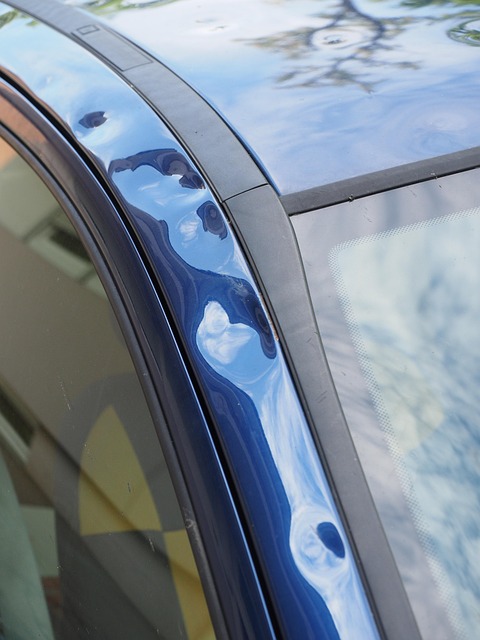
Restoring structural integrity after Denver floods requires a multi-step approach tailored to the unique challenges posed by Colorado’s unpredictable weather patterns. The rapid onset of flooding can leave commercial properties with significant water damage, posing structural risks and potential safety hazards. Prompt action is crucial; according to data from the National Weather Service, swift intervention within 24-48 hours can significantly mitigate long-term repairs for Denver flood damage restoration.
Emergency water extraction in Colorado is a critical first step. Professional services utilize advanced equipment like high-flow pumps and vacuums to remove standing water quickly, preventing mold growth and minimizing secondary damage. After initial extraction, thorough drying is essential. Moisture meters are employed to identify hidden pockets of water within walls, floors, and insulation, ensuring every affected area is properly dried to recommended humidity levels. This meticulous process is vital to maintaining structural integrity and mitigating the risk of future issues like rot or insect infestation.
Cost considerations for water damage restoration in Denver can vary widely, typically ranging from $10,000 to $30,000 or more depending on the extent of damage. Factors influencing these estimates include building size, time to extraction, and necessary repairs. For instance, a flooded basement in Denver might require not only water extraction but also structural drying, decontamination, and potentially complete renovation of affected areas. Engaging reputable contractors experienced in Denver flood damage restoration is key to securing effective solutions while managing costs efficiently. They can provide detailed assessments and transparent pricing, ensuring property owners are well-informed throughout the recovery process.
Content Cleaning & Disinfection in Post-Flood Environments
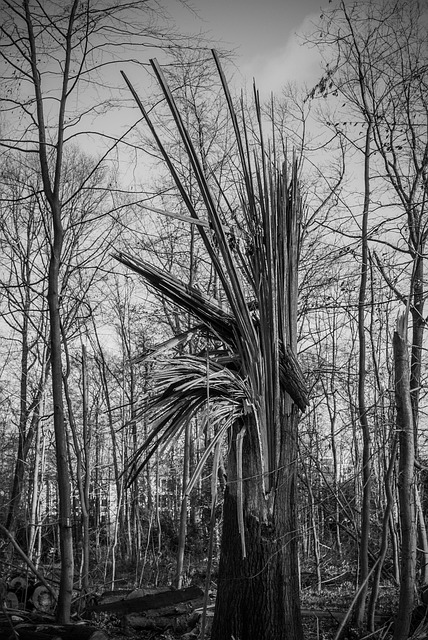
In the aftermath of a Denver flood, proper Content Cleaning & Disinfection becomes paramount for both property preservation and public health. Water damage restoration in Denver is not merely about removing standing water; it involves a meticulous process to sanitize and decontaminate affected areas, preventing the growth of hazardous mold and bacteria. Professional water damage repair in Denver often employs advanced techniques such as industrial-strength dehumidifiers and anti-microbial treatments to ensure every corner and crevice is thoroughly dried and sanitized. This multi-step approach not only mitigates immediate health risks but also reduces the likelihood of long-term issues like structural deterioration and respiratory complications.
One of the primary challenges in Denver Flood Damage Restoration is the region’s unpredictable weather patterns, which can lead to rapid water intrusion and prolonged moisture accumulation. Mold removal in Denver becomes an urgent matter, as mold spores thrive in damp environments. According to the Environmental Protection Agency (EPA), even small amounts of water seepage can foster mold growth within 48 hours if left unchecked. Professional restoration companies in Denver employ specialized equipment and expertise to detect hidden water sources, assess extent of damage, and implement effective decontamination strategies. This includes using advanced moisture meters and air quality monitoring devices to ensure every inch of the property is safely restored.
Effective Denver flood damage restoration involves a comprehensive approach that goes beyond initial drying. This includes removing contaminated materials like drywall and insulation, applying anti-microbial coatings to surfaces, and implementing strategic ventilation to expedite drying processes. Water damage restoration in Denver must adhere to strict industry standards and guidelines to ensure the safety of both occupants and workers. By combining cutting-edge technology with proven methods, professional restorers not only restore properties to their pre-flood condition but also create healthier living and working environments for Denver residents.
Reinstating Business Operations: Long-Term Recovery Strategies

Reinstating Business Operations Following Denver Flood Damage Restoration is a critical step towards long-term recovery for commercial properties affected by floods. The initial response to flood damage often involves emergency containment and water removal, but successful restoration requires a comprehensive strategy that addresses structural integrity, sanitation, and environmental considerations. In Denver, where river floods can be particularly severe, businesses must be prepared to navigate complex recovery processes.
One of the primary challenges is how to dry out a flooded home or commercial space effectively. Rapid drying techniques are essential to prevent mold growth, which not only poses health risks but also contributes to further structural damage. Professional Denver flood damage restoration services employ advanced equipment like air movers and dehumidifiers to expedite the drying process. These methods ensure that moisture is removed from walls, floors, and other surfaces, creating an environment unsuitable for mold development. Additionally, implementing proper ventilation strategies during restoration helps accelerate the evaporation of residual water.
Following initial drying, businesses should focus on a thorough inspection to identify any structural vulnerabilities or hidden water damage. This may include assessing foundation integrity, checking for warped flooring, and examining walls for signs of erosion. Once these issues are addressed, professionals can guide businesses through the process of restoring after a river flood, from repairing or replacing damaged items to remodeling affected areas. Effective mold removal in Denver is crucial during this phase, as it not only improves indoor air quality but also prevents the potential for long-term health complications among employees and customers.
Long-term recovery involves implementing robust water damage prevention measures to safeguard against future floods. This includes upgrading drainage systems, installing flood barriers, and ensuring proper building elevation. Businesses should also develop comprehensive disaster preparedness plans that detail steps for quick response and effective Denver flood damage restoration. By adopting these strategies, commercial properties can minimize disruption, protect their investments, and ensure the well-being of their operations in the event of a river flood or other water-related disasters.
The comprehensive guide on Denver flood damage restoration offers invaluable insights for navigating the aftermath of commercial property floods. By outlining initial assessment steps, effective water extraction methods, structural repair techniques, content cleaning protocols, and long-term recovery strategies, this article equips readers with the knowledge to address Denver flood damage thoroughly. Key takeaways include prioritizing safety, employing advanced drying technology, restoring structural integrity promptly, implementing meticulous disinfection procedures, and developing robust business continuity plans for future resilience. Through these practical next steps, businesses can expedite their recovery, mitigate losses, and resume operations efficiently in the wake of Denver’s unpredictable flooding events.