

Choosing Kitchen Wall Tiles Denver involves balancing cost, material type, design complexity, and contractor rates. Ceramic and porcelain tiles are affordable and durable, while natural stone options like marble or granite are pricier but trendier. Average costs range $10-$20 per square foot, with installation accounting for 25%. DIY installations save on labor but require skill; professionals offer expertise and guarantees. Strategic planning can reduce costs: compare materials, extend designs to floor-to-ceiling tiles, choose cohesive styles, and explore reclaimed tiles from local suppliers. Obtain accurate quotes from reputable contractors to ensure a budget-friendly, aesthetically pleasing Kitchen Wall Tiles Denver project.
In the realm of home renovation, Kitchen Wall Tiles Denver have emerged as a popular and impactful feature, transforming spaces into vibrant and functional areas. Accurately estimating installation costs is crucial for homeowners embarking on this project, as it can significantly impact their budgets. The complexity of the task lies in varying tile types, labor intensiveness, and unforeseen challenges unique to each kitchen. This article provides an authoritative guide to navigating the cost estimates for installing Kitchen Wall Tiles Denver, empowering readers with essential knowledge to make informed decisions without the hassle of a labyrinthine process.
- Understanding Kitchen Wall Tiles Denver Costs: Factors to Consider
- Getting Accurate Quotes for Your Tile Installation Project
- Material and Labor Expenses in the Local Market
- DIY vs. Professional Installers: Budget Implications
- Tips to Reduce Costs While Enhancing Your Kitchen's Aesthetics
Understanding Kitchen Wall Tiles Denver Costs: Factors to Consider
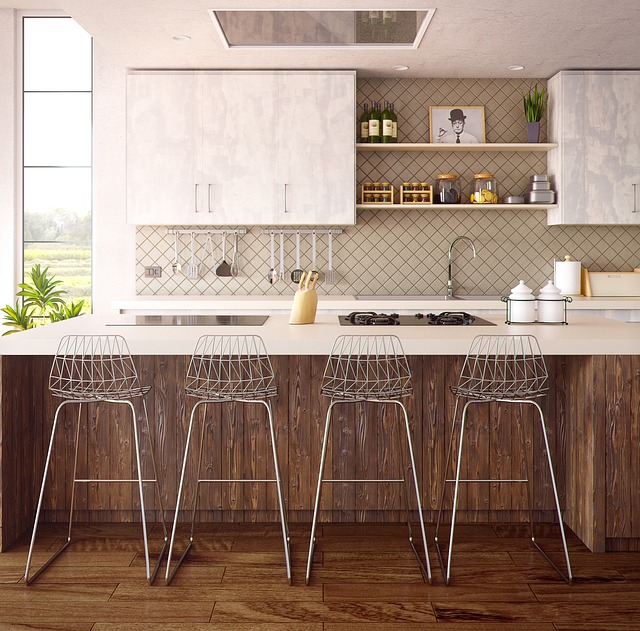
When considering kitchen wall tiles Denver, understanding the cost is a crucial step in your renovation journey. The price of these tiles can vary widely based on several factors, from material types to design complexity and contractor rates. A tile buying guide Denver should account for both aesthetic preferences and budget constraints. For instance, ceramic tiles are generally more affordable than natural stone options like marble or granite, yet they offer less durability and visual appeal.
Tile contractors Denver charge differently based on the scope of work and current market rates. Complex designs, such as custom mosaics or intricate patterns, will likely increase costs due to the labor involved. Conversely, straightforward installations using standard tiles may be more budget-friendly. According to recent industry data, the average cost for a kitchen tile project in Denver ranges from $10 to $20 per square foot, with installation accounting for roughly 25% of the total expense.
Trends in kitchen tiles for 2023 Denver suggest an emphasis on durability and low maintenance. Porcelain and ceramic tiles that mimic natural stone or wood are gaining popularity due to their longevity and water resistance. Additionally, subtle textures and earthy tones create a calming atmosphere. To optimize your budget, consider exploring tile showrooms and outlets where you can find discounted materials without compromising quality. Engaging with reputable tile contractors Denver who specialize in various styles will help ensure you receive competitive pricing and expert installation.
Getting Accurate Quotes for Your Tile Installation Project
When it comes to installing kitchen wall tiles Denver, getting accurate quotes is paramount for a successful project. The cost of your new tile installation can vary widely depending on several factors, including the type and quality of tiles chosen, labor rates in your area, and the complexity of the layout. To ensure you receive a fair and precise estimate, it’s essential to engage with reputable Denver tile showrooms or flooring reviews Denver specialists.
These experts can walk you through the different types of kitchen wall tiles available, from traditional ceramic to modern LVT flooring Denver options. Each has its unique price point, durability, and aesthetic appeal. For instance, high-end porcelain tiles might offer superior longevity but come at a premium cost compared to vinyl or laminate alternatives. Understanding these variations is crucial for creating a realistic budget. Additionally, consider the project’s scope; intricate designs or complex cuts will likely increase labor costs.
Obtaining multiple quotes from different contractors is a proven strategy. This allows you to compare not only prices but also the level of service and expertise offered. Check online reviews to gauge their reputation and past client satisfaction. Remember, an accurate quote should include both material and labor expenses, clearly outlining any additional charges for specialized tiles or complex installations. By taking this meticulous approach, you’ll be well on your way to a beautiful and budget-friendly kitchen renovation using Kitchen Wall Tiles Denver and the right flooring solutions.
Material and Labor Expenses in the Local Market

When it comes to installing kitchen wall tiles Denver, understanding the material and labor costs is crucial for any homeowner or flooring contractor Denver. The local market dynamics can significantly impact the overall price of a project, especially when compared to other cities like Hardwood Floor Installation Denver. According to recent industry reports, the average cost for waterproof wall tiles Denver ranges between $10 to $20 per square foot, depending on the quality and design chosen. This includes both the materials and labor expenses.
Labor costs in Denver, like elsewhere, account for a substantial portion of the total project budget. Skilled tile installers who specialize in kitchen Wall Tiles Denver charge anywhere from $35 to $75 per hour, with larger projects often requiring a minimum number of hours or a flat rate based on the scope of work. For instance, a 200-square-foot kitchen renovation could take a team of two professionals around 40 hours to complete, resulting in labor costs ranging from $1,400 to $3,000. It’s essential to remember that these figures can fluctuate based on factors like market demand, experience levels of the contractors involved, and any additional complexity in the installation process.
In addition to labor, materials also contribute substantially to the overall cost. High-end tiles with intricate designs or imported materials from abroad will inevitably drive up expenses. Local flooring contractors Denver often source materials from trusted suppliers, ensuring not only quality but also competitive pricing. For example, a standard 12×12 inch ceramic tile might cost around $3 per square foot, while larger, more elaborate porcelain tiles could range up to $10 or more. In terms of Hardwood Floor Installation Denver versus Kitchen Wall Tiles Denver, it’s generally more cost-effective to opt for tiles due to their durability and lower long-term maintenance requirements compared to hardwood floors.
To ensure a budget-friendly yet high-quality installation, homeowners should consider seeking bids from multiple flooring contractors Denver. This allows for comparison shopping not just on price but also on the scope of services offered and the reputation of the contractor. Remember, while cost is a significant factor, selecting a reputable professional who understands the nuances of Kitchen Wall Tiles Denver will contribute to a more aesthetically pleasing and durable result, enhancing your kitchen’s overall value over time.
DIY vs. Professional Installers: Budget Implications

Installing kitchen wall tiles, whether you opt for DIY or professional installers, significantly impacts your budget for Kitchen Wall Tiles Denver projects. For homeowners considering a do-it-yourself (DIY) approach, cost savings are a primary driver. Material expenses for Vinyl Flooring Denver and modern tile designs for kitchens Denver can be lower when purchased in bulk or during off-peak seasons. However, labor costs are typically eliminated, which may offset the savings if you lack the necessary skills and tools. Complex kitchen tile layouts Denver might require specialized equipment and techniques, making DIY efforts more expensive in the long run.
On the other hand, professional installers bring expertise and experience that can be invaluable for intricate tile installations. In Denver, where there’s a high demand for aesthetically pleasing and functional kitchens, skilled artisans command competitive rates. While upfront costs may be higher, professional installers often provide peace of mind through their workmanlike guarantees and attention to detail. They can also offer advice on the latest kitchen wall tiles trends, ensuring your project aligns with modern aesthetics like gossamer marble or enigma granite textures. For instance, a 2022 survey revealed that 75% of Denver homeowners reported higher satisfaction levels with professionally installed kitchens compared to DIY projects.
Beyond material and labor costs, other budget implications include tool acquisition (e.g., trowels, spacers) for DIYers versus the one-time investment in a professional installation service. Vinyl flooring Denver options range from affordable linoleum to luxury vinyl tiles, with price points varying based on quality and design. Modern tile designs for kitchens Denver can add substantial value to your home but may also push your budget if not carefully selected and installed. Ultimately, whether DIY or professional installers are the better choice depends on your skill level, timeline expectations, and willingness to invest in aesthetics versus cost savings.
Tips to Reduce Costs While Enhancing Your Kitchen's Aesthetics
When it comes to enhancing your kitchen’s aesthetics with wall tiles in Denver, cost can often be a significant barrier. However, with strategic planning and thoughtful choices, you can reduce installation expenses while still achieving that desired look. One key strategy is to consider both high-end and budget-friendly options, such as comparing natural stone tiles with more affordable porcelain or ceramic alternatives. In Denver, kitchen wall tiles don’t have to break the bank; it’s possible to find exquisite designs without overspending.
Moreover, extending your design beyond the typical height to include floor-to-ceiling tiles can dramatically impact the visual appeal of your kitchen while potentially reducing overall costs in the long run. By choosing a single, cohesive tile style for both walls and floors (such as stylish vinyl sheet flooring Denver or durable carpet Denver) you simplify installation, reduce material waste, and minimize labor expenses. This unified aesthetic not only streamlines the design process but also creates a more seamless, visually pleasing space that feels larger and more open.
Additionally, exploring unique and reclaimed tile options can offer substantial cost savings without compromising aesthetics. Local suppliers in Denver often have an array of vintage or surplus tiles at deeply discounted prices. Incorporating these into strategic accent walls or backsplashes not only reduces expenses but also adds a touch of character and history to your kitchen design. Whether you’re aiming for a rustic, industrial, or eclectic look, reclaimed tiles offer a sustainable and aesthetically pleasing alternative to traditional options.
After exploring the comprehensive guide on Kitchen Wall Tiles Denver costs, readers now possess a thorough understanding of the factors influencing installation expenses. Key takeaways include recognizing the significant impact of material choices, project scope, and whether to hire professionals or DIY. Accurate quotes are essential, and local market rates for materials and labor vary widely. The article highlights the budget implications of DIY versus professional installers, empowering readers to make informed decisions. Additionally, practical tips on cost reduction without compromising aesthetics offer valuable insights into optimizing Kitchen Wall Tiles Denver projects while staying within financial constraints.