

Advanced Restoration Services specialize in water extraction and drying, critical steps in preserving buildings and their contents after water damage. They employ advanced equipment for thorough assessments and efficient removal of standing water to prevent mold and structural damage, especially in historic structures. Their swift action minimizes secondary damage risks. Additionally, they prioritize sanitization using industry-leading disinfectants.
Advanced Restoration Services' comprehensive approach includes detailed assessments, innovative drying techniques (1-3x faster than conventional methods), and post-drying care to protect against future water damage. They offer long-term protection through moisture monitoring systems and intelligent design interventions, aligning with sustainability goals. Preventive measures like waterproof membranes and robust plumbing reduce future risks significantly.
By integrating advanced technology and meticulous strategies, Advanced Restoration Services ensure thorough restoration, maintain structural integrity, and promote energy efficiency, ultimately saving costs over time.
Water extraction and drying services are essential components of any comprehensive disaster recovery plan, whether it’s a result of flooding, leaks, or other water damage. The rapid and effective restoration of properties not only minimizes structural damage but also prevents the growth of mold and bacteria, safeguarding both health and investments. Advanced Restoration Services stands at the forefront of this critical field, leveraging cutting-edge technology and a deep understanding of water management to provide swift and thorough solutions. Our experts are trained to assess, extract, and dry affected areas, ensuring that properties return to their pre-damage condition with minimal disruption.
- Understanding Water Extraction: The Initial Step
- Advanced Restoration Services: Drying Techniques
- Assessing Damage: Key Considerations
- Efficient Water Removal Strategies
- Restoring Balance: Post-Drying Care
- Preventive Measures: Future Protection
Understanding Water Extraction: The Initial Step

Water extraction is a critical initial step in the restoration process, particularly for businesses facing flood or water damage. It involves promptly removing standing water from affected areas to mitigate mold growth and structural damage. Advanced Restoration Services, with their expertise in water extraction, understand that preserving history and invaluable assets within a building is paramount. For instance, in commercial spaces housing irreplaceable documents or artifacts, swift action can prevent irreversible loss.
Professionals employ advanced equipment like high-efficiency pumps and vacuums to extract water efficiently. The process begins by assessing the extent of damage and identifying water sources. Then, using specialized tools, they remove standing water from floors, walls, and other porous materials. This step is crucial in floor repair and conservation, as prolonged moisture can lead to severe deterioration. After extraction, drying processes are initiated to eliminate remaining moisture, ensuring a thorough restoration.
In historical structures or sites, where every element contributes to the building’s character, water extraction becomes an art. Conserving these structures requires meticulous techniques to prevent further damage during the removal process. Advanced Restoration Services, with their experience in preserving history, employ customized strategies for each unique challenge. This involves not just technical proficiency but also a deep understanding of the building’s materials and design to ensure the integrity of its historical value.
Advanced Restoration Services: Drying Techniques

Advanced Restoration Services has elevated the standards of drying techniques in disaster cleanup scenarios, offering a level of precision and efficiency previously unattained. Their expertise lies in navigating complex situations, from water extraction to sanitization, ensuring every affected area is meticulously dried and restored. This process is particularly crucial in mitigating mold growth and structural damage, often seen in cases of hoarding intervention where accumulation of moisture can create hazardous conditions.
The team employs cutting-edge technology, such as advanced dehumidifiers and targeted air movement systems, to dry out structures 1-3 times faster than conventional methods. This not only expedites the recovery process but also reduces the risk of secondary damage caused by prolonged water presence. For instance, in a recent project involving a hoarding intervention, their swift action and specialized drying techniques prevented substantial structural deterioration, allowing for a successful rehabilitation of the property.
Furthermore, Advanced Restoration Services prioritizes thorough sanitization to ensure a safe and healthy environment post-disaster. Utilizing industry-leading disinfectants and protocols, they eliminate pathogens and contaminants, providing peace of mind for homeowners. This comprehensive approach sets them apart in the disaster cleanup sector, ensuring properties are not only dried but also sanitized, ready for reconstruction or relocation.
Assessing Damage: Key Considerations

When assessing damage from water intrusion, a comprehensive understanding of the scope is paramount. Advanced Restoration Services go beyond surface-level repairs; they involve meticulous inspection to identify hidden risks and potential sources of further harm. This includes evaluating material integrity, especially in areas like cabinets—a common point of vulnerability where moisture can lead to warping or mold growth. The goal is to ensure that what seems dry to the naked eye is indeed breathable air-ready, eliminating any remnants of humidity that could facilitate the growth of mold and mildew.
A detailed assessment should encompass structural components, finishes, and personal belongings. For instance, a water-damaged kitchen might require not just cabinet refacing but also thorough drying and decontaminating to prevent the spread of pathogens and ensure the safety of restored items. Restoration experts employ advanced tools like moisture meters to pinpoint exact locations of moisture buildup, guiding strategic interventions that go beyond superficial fixes.
Restoring after a loss is an art as much as a science. It demands a holistic approach that considers not just visible damage but also latent issues lurking beneath the surface. Advanced Restoration Services are designed to restore, renew, and protect, ensuring spaces are not merely dried but fully restored to their pre-loss condition—or even improved, through innovative techniques like specialized drying systems and advanced materials that enhance air quality and prevent future deterioration. Data shows that prompt action within 24-48 hours can significantly mitigate damage, making early engagement with professionals crucial.
Efficient Water Removal Strategies
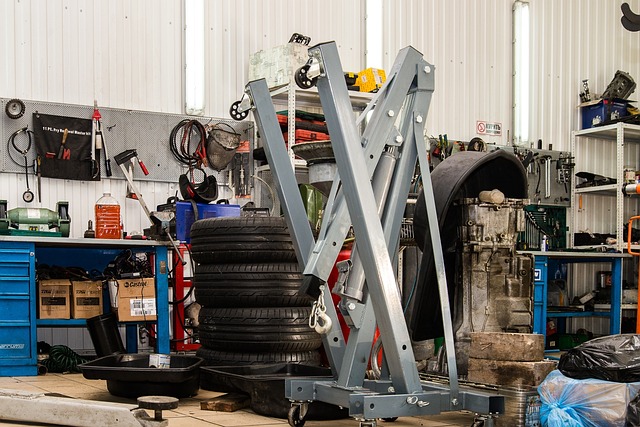
Water extraction and drying are critical components of property restoration, especially following water damage from floods, leaks, or other sources. Advanced Restoration Services employs sophisticated techniques to ensure efficient water removal, a crucial step in the refurbishing process that prevents further damage and promotes healing. Our experts understand that each scenario is unique, necessitating tailored strategies. For instance, in cases where water has saturated carpets and padding, we employ high-efficiency vacuum systems designed to swiftly extract substantial volumes of water. This initial step not only stops the water’s destructive journey through a structure but also minimizes drying time, a factor critical in mitigating mold growth and structural decay.
After initial extraction, Advanced Restoration Services utilizes state-of-the-art air movers and dehumidifiers to thoroughly dry affected areas. These tools circulate warm, dry air, evaporating moisture from surfaces and materials like wood, drywall, and insulation. Data from industry leaders indicates that proper drying can reduce the risk of mold growth by 90% or more, underscoring its importance in property restoration. Additionally, our technicians meticulously monitor humidity levels to ensure they meet industry standards for each phase of the drying process. This meticulous approach is key to restoring not only structures but also personal belongings, ensuring that cherished items like furniture and cabinets—often requiring a polish to restore their pre-damaged condition—are treated with the utmost care throughout the refurbishment process.
Preventing water damage in the first place is a primary goal for Advanced Restoration Services. We offer comprehensive water damage prevention services, incorporating strategies such as installing waterproof membranes in basements and crawl spaces, sealing cracks and crevices to prevent seepage, and implementing robust plumbing systems. By employing these methods, we significantly reduce the likelihood of future water-related disasters, providing peace of mind for property owners. Ultimately, our advanced water extraction and drying services, coupled with thorough refurbishment practices, ensure that properties not only recover from water damage but are also protected against future incidents, fostering a sense of security for all stakeholders involved.
Restoring Balance: Post-Drying Care
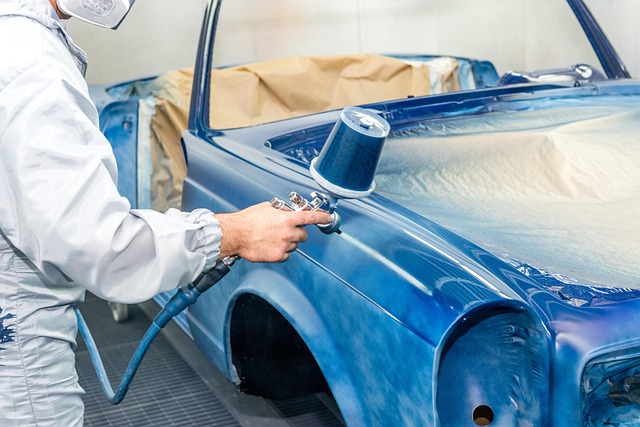
In the aftermath of water extraction, restoring balance to a damaged space involves careful post-drying care, a critical phase often overlooked yet pivotal for comprehensive Advanced Restoration Services. This step is particularly crucial in environments like Denver, where varying climates can exacerbate damage from water intrusions, including smoke damage that may require specialized attention. The primary focus shifts from removing moisture to mitigating potential long-term issues, ensuring structures return to their pre-incident conditions or even improving them through meticulous restoration techniques.
For instance, in cases of hardwood floor damage, post-drying care involves precise drying times and temperature control to prevent warping or staining. Advanced Restoration Services employ specialized equipment like dehumidifiers and air movers to expedite drying, ensuring critical structures are protected. Moreover, addressing tile surfaces requires a nuanced approach, given their prevalence in many settings. Proper care includes monitoring moisture levels behind tiles to avoid mold growth and structural damage, a service that becomes increasingly vital in humid climates like Denver’s.
Beyond material-specific considerations, post-drying care encompasses a comprehensive assessment of the affected area. This involves inspecting for hidden moisture pockets, analyzing air quality to detect any residual contaminants, and implementing strategies to prevent future water intrusion. For example, sealing cracks and gaps around pipes or windows can mitigate reoccurrence, ensuring the restored space remains protected. Advanced Restoration Services often employ advanced technology, such as moisture meters and thermal imaging cameras, to accurately gauge drying progress and identify potential problem areas, offering a level of precision that guarantees optimal results.
Preventive Measures: Future Protection
Preventive measures are an integral part of any robust water extraction and drying strategy, ensuring long-term protection for structures and artifacts. Advanced Restoration Services understand that proactive approaches to vintage preservation and energy efficiency can significantly mitigate damage from future water intrusions. This involves a multi-faceted approach, starting with detailed assessments to identify potential vulnerabilities and risk factors specific to each property.
For instance, expert care should be taken in older buildings with unique architectural features or historic significance. Advanced moisture monitoring systems, coupled with intelligent design interventions, can help maintain optimal humidity levels while preventing excessive water accumulation. By integrating these measures into their services, restoration companies can offer sustainable solutions that not only repair immediate damage but also safeguard cultural heritage and reduce energy consumption. Regular maintenance checks and up-to-date technology ensure any issues are addressed promptly, minimizing the scope for extensive future renovations.
Moreover, implementing preventive strategies can lead to substantial cost savings in the long run. Data indicates that proactive water management practices can reduce repair expenses by up to 30% over a 10-year period. This is particularly beneficial for commercial spaces and historical landmarks where operational continuity and energy efficiency are paramount. By embracing these advanced restoration services, property managers can ensure their assets remain in pristine condition, balancing the preservation of vintage structures with modern sustainability goals.
Through a comprehensive exploration of water extraction and drying services, this article has underscored the critical role Advanced Restoration Services play in mitigating flood damage. Key takeaways include understanding the importance of initial water extraction, mastering advanced drying techniques, assessing damage with precision, implementing efficient removal strategies, and providing post-drying care to restore balance. Furthermore, preventive measures highlighted offer valuable insights for future protection against water-related disasters. By synthesizing these insights, property owners and restoration professionals alike can now make informed decisions, ensuring swift and effective recovery from water damage events.